
Sîn-lēqi-unninni
Babylonia
Formal and incantatory, built from repetition and formula in the oral epic's manner: grand in scale, plain in its grief over mortality.
Almost nothing is known of Sîn-lēqi-unninni beyond his name, preserved as author in later Babylonian catalogues of scribes, and his likely role as an exorcist-priest working within the temple scribal tradition of Uruk sometime in the late second millennium BCE. Cuneiform culture credited authorship more readily than most ancient literatures did, and his name survived as editor of the poem's 'standard version' precisely because Babylonian scribes kept such records.
He worked from centuries-older Sumerian poems about Gilgamesh, a historical king of Uruk already mythologized in verse, and from an earlier Akkadian version, fusing them into a single sustained narrative arc: a tyrant king humbled by friendship, broken by grief, and sent on a doomed quest for immortality. The result, inscribed across twelve tablets, gave the fragments a philosophical throughline the older poems lacked.
That standard version was copied for a thousand years across Mesopotamia, then lost when cuneiform writing died out, until archaeologists excavating Nineveh's royal library in the nineteenth century recovered its tablets and, with them, the world's oldest known work of extended narrative literature.
Their books in the atlas
- 1200 BCE
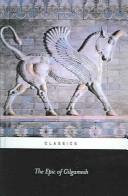 The Epic of GilgameshLvl 4epic
If you like Sîn-lēqi-unninni, try
 43 BCE–17 CEOvidItalyshared movement: The Classical Epic · kindred genres: epic
 70–19 BCEVirgilItalyshared movement: The Classical Epic · kindred genres: epic
 750–700 BCEHomerAncient Greeceshared movement: The Classical Epic · kindred genres: epic940 CE–1010The Beowulf PoetEnglandkindred genres: epic · neighboring movements
 1608–1674John MiltonEnglandkindred genres: epic · neighboring movements
 400–320 BCEValmikiAncient Indiakindred genres: epic