
The Enlightenment
For most of a century, the novel is the Enlightenment's favorite instrument: picaresque heroes test a corrupt world, letters expose private virtue to public scrutiny, and philosophical tales mock every system that claims to have reason all figured out. Then, right at the end, one book breaks the pattern completely, and points straight at Romanticism.
 Pamela
Samuel Richardson · 1740
Lvl 4500ppRichardson's servant girl fends off her master's advances in real-time letters: the epistolary novel's founding bestseller, virtue as suspense plot.
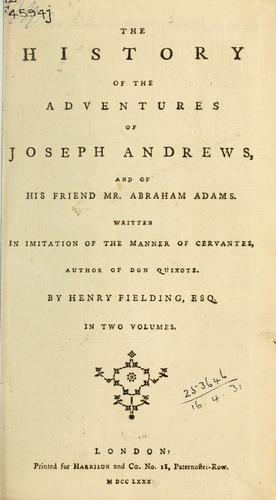 Joseph Andrews
Henry Fielding · 1742
Lvl 4340ppFielding can't resist parodying Pamela's virtue-under-siege premise: comedy talking back to the era's own bestseller.
 Tom Jones
Henry Fielding · 1749
Lvl 5890ppFielding's mature answer: a foundling's picaresque education across the whole breadth of English society, plotted like a machine.
 Candide
Voltaire · 1759
Lvl 3120ppVoltaire's philosophical tale is the era's sharpest tool: reason's confidence in 'the best of all possible worlds' mocked to pieces in under a hundred pages.
 A Sentimental Journey Through France and Italy
Laurence Sterne · 1768
Lvl 5160ppSterne turns the travel narrative into pure digression and feeling-for-its-own-sake: reason's discipline already starting to loosen.
 Dream of the Red Chamber
Cao Xueqin · 1791
Lvl 92500ppChina's own Enlightenment-era masterpiece: a sprawling household in decline, a philosophy of impermanence folded into a domestic epic five times the length of anything else on this list.
 The Sorrows of Young Werther
Johann Wolfgang von Goethe · 1774
Lvl 3176ppThe capstone, and the crack: Goethe's lovesick young man feels his way to suicide, reason offers no argument that reaches him, and the next era has already begun.