
The Postwar World
After Auschwitz and Hiroshima, the novel has to answer for what happened and to whom: absurdity, guilt, and liberation all get worked out on the page, sometimes in the same book. Follow the reckoning from occupied Algeria to the American South, the Soviet gulag, and the Latin American boom that finally puts a whole hemisphere on the world's map.
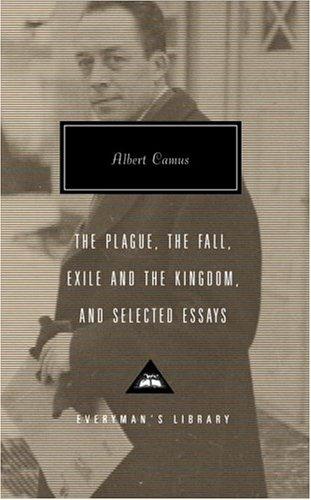 The Plague
Albert Camus · 1947
Lvl 4320ppCamus allegorizes Nazi occupation as a literal epidemic: existentialism's clearest, most humane response to catastrophe.
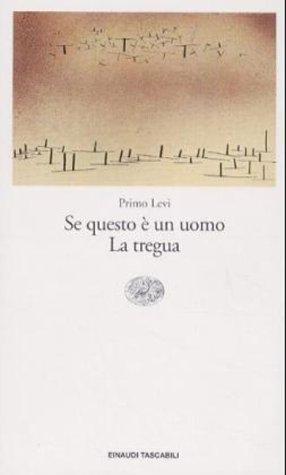 If This Is a Man
Primo Levi · 1947
Lvl 4179ppPrimo Levi's testimony from Auschwitz is short, plain, and the rawest kind of reckoning literature offers: read it and nothing after feels abstract.
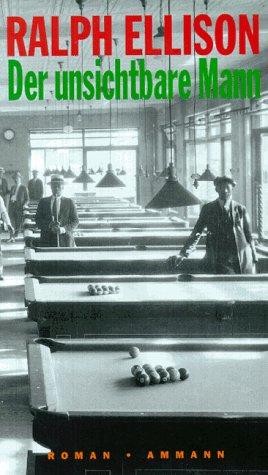 Invisible Man
Ralph Ellison · 1952
Lvl 7581ppEllison's unnamed narrator goes underground to survive being unseen: America's own absurdist reckoning with race and identity.
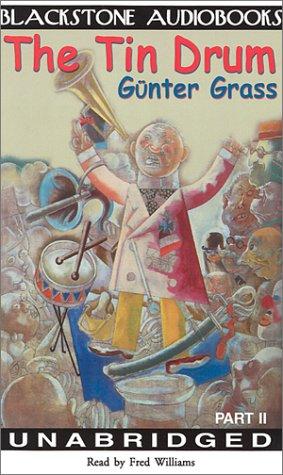 The Tin Drum
Günter Grass · 1959
Lvl 8588ppGrass's narrator refuses to grow past three years old rather than take part in adult Germany's guilt: postwar reckoning turned into fable.
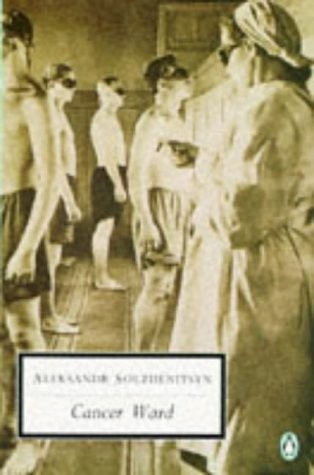 Cancer Ward
Aleksandr Solzhenitsyn · 1966
Lvl 5560ppSolzhenitsyn smuggles the gulag's aftermath into a hospital ward: illness as the one subject even the Soviet state can't fully censor.
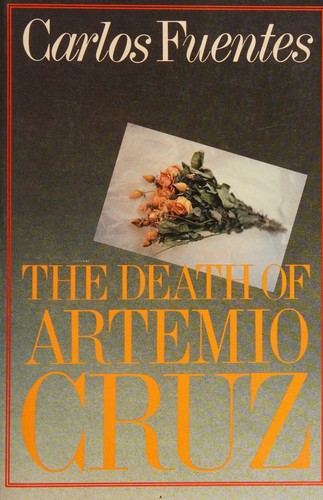 The Death of Artemio Cruz
Carlos Fuentes · 1962
Lvl 8306ppFuentes's dying tycoon replays his own corrupted revolution in fractured memory: Mexico's whole twentieth century collapsing onto one deathbed.
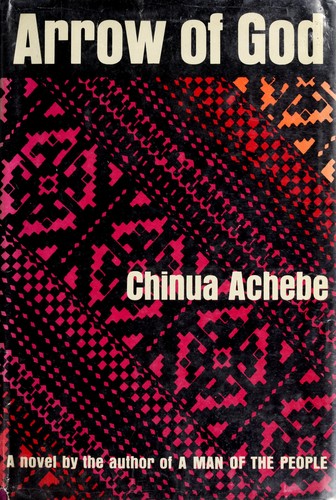 Arrow of God
Chinua Achebe · 1964
Lvl 5287ppAchebe returns to a Nigerian village mid-colonization: a priest's pride and a district officer's blunder, decolonization's tragedy in miniature.
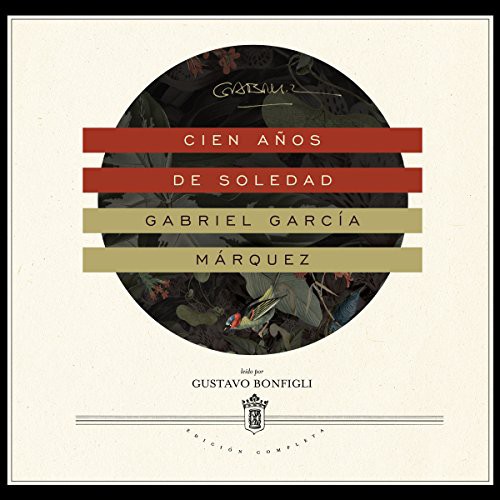 One Hundred Years of Solitude
Gabriel García Márquez · 1967
Lvl 6417ppThe capstone: García Márquez telescopes a hundred years and seven generations into one unbroken sentence-feeling, the Latin American Boom's landmark, and the era's most totalizing act of literary liberation.