
The Age of Realism
The novel's imperial century: writers across Europe, Russia, and the Americas start building entire societies on the page, convinced that if you get the furniture, the wages, and the gossip exactly right, you can explain how a person actually gets made or ruined. Follow the machinery from a London orphan to a dying bureaucrat to a Brazilian narrator who's already dead.
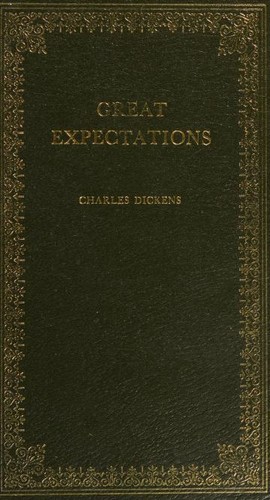 Great Expectations
Charles Dickens · 1861
Lvl 4512ppDickens's orphan Pip gets a mysterious fortune and an education in exactly how little that buys him: the readable, generous door into the whole century.
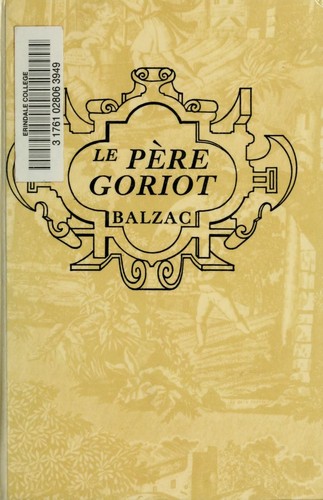 Père Goriot
Honoré de Balzac · 1835
Lvl 4352ppBalzac's Paris runs on one fuel: money. A father sacrifices everything for daughters who've stopped noticing, and the city watches, unmoved.
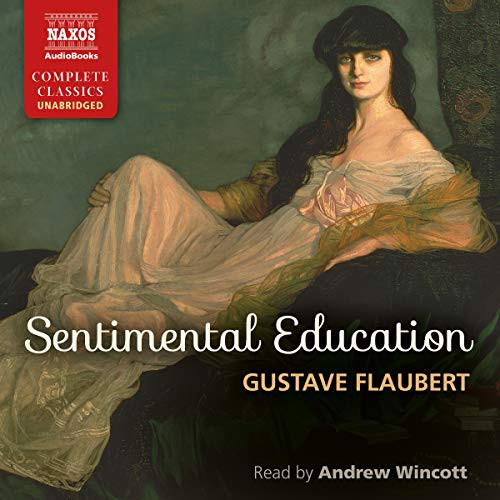 Sentimental Education
Gustave Flaubert · 1869
Lvl 6464ppFlaubert widens the lens to an entire generation's failure: ambition, revolution, and romance all quietly curdling into nothing much at all.
 The Death of Ivan Ilyich
Leo Tolstoy · 1886
Lvl 484ppTolstoy narrows all the way back down: one dying bureaucrat, and the sudden, late-arriving question of whether his whole comfortable life meant anything.
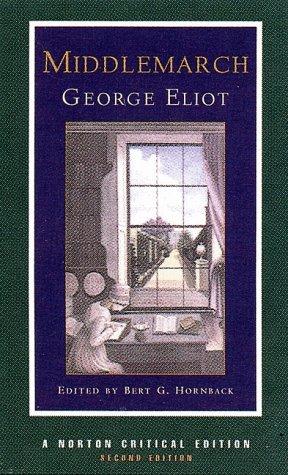 Middlemarch
George Eliot · 1872
Lvl 6880ppGeorge Eliot's English town is realism's widest loom: dozens of lives and disappointments woven so tightly you can't pull one thread without moving the rest.
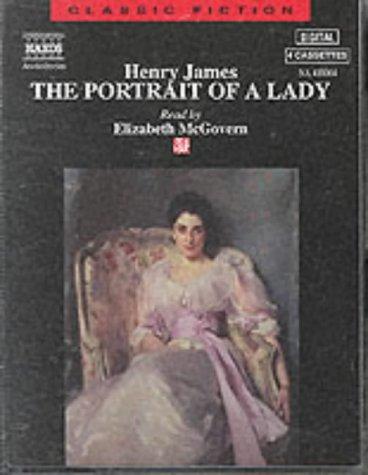 The Portrait of a Lady
Henry James · 1881
Lvl 6634ppHenry James exports the machinery to a young American abroad: psychology now doing the work that plot used to do.
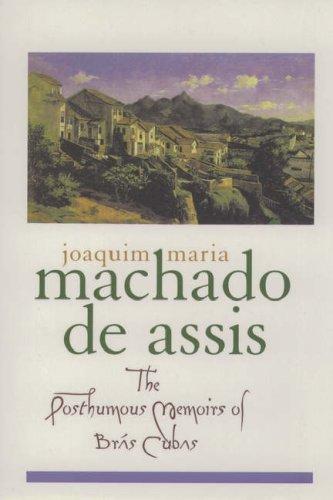 The Posthumous Memoirs of Brás Cubas
Machado de Assis · 1881
Lvl 6272ppMachado de Assis's narrator is already dead and tells you so on page one: Brazil's answer to European realism, wry and a century ahead of its own tricks.
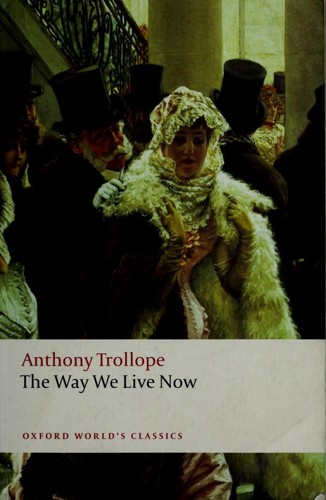 The Way We Live Now
Anthony Trollope · 1875
Lvl 5800ppThe capstone: Trollope's state-of-England novel exposes a financial fraud eating an entire social class alive, money, class, and desire, caught in the act, exactly as the era promised.