
Romanticism
Where the Enlightenment trusted the argument, Romanticism trusts the feeling underneath it: the uncanny double, the monster with a grievance, the love that burns down everything around it. Six books chart the takeover, from a drawing-room comedy that still believes in reason to a moor where reason never had a chance.
 Pride and Prejudice
Jane Austen · 1813
Lvl 3432ppAusten's wit and reason are the last, best rearguard action: start here to feel exactly what the era is about to overrun.
 Frankenstein
Mary Shelley · 1818
Lvl 4280ppMary Shelley's creature is the sublime and the monstrous in one body: ambition unchecked by feeling, and feeling taking its revenge.
 The Mysteries of Udolpho
Ann Radcliffe · 1794
Lvl 5670ppRadcliffe supplies the genre's signature furniture: crumbling castles, orphaned heroines, terror as a mode of pleasure.
 The Sandman
E. T. A. Hoffmann · 1816
Lvl 660ppHoffmann's uncanny doubles and automaton lovers show Romanticism's darker, stranger German vein: the self can't even trust what it's looking at.
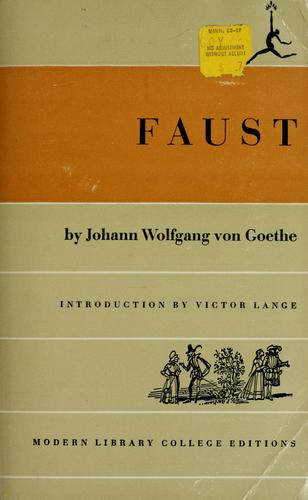 Faust
FaustJohann Wolfgang von Goethe · 1808
Lvl 8320ppGoethe's aging scholar makes the era's foundational bargain (a soul for total experience) and the poem argues with itself for sixty years over whether he's damned.
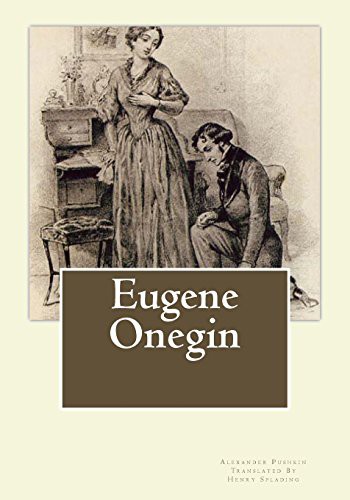 Eugene Onegin
Alexander Pushkin · 1833
Lvl 6224ppPushkin exports the mode to Russia in verse: a bored, Byronic hero talks himself out of the one thing that could have saved him.
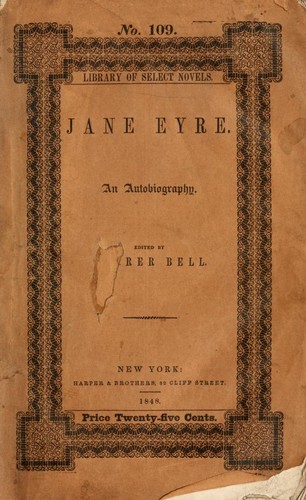 Jane Eyre
Charlotte Brontë · 1847
Lvl 4512ppBrontë gives the Gothic heroine an interior life equal to any hero's: plain, poor, and answerable to no one but her own conscience.
 Wuthering Heights
Emily Brontë · 1847
Lvl 6352ppThe capstone and the era's most amoral extreme: Heathcliff and Catherine's bond isn't love so much as weather, and reason never gets a vote.