
Fiction That Thinks
Plot is optional in these seven books; the essay, the digression, and the aside are the point. Watch the novel of ideas evolve from existentialist journal to unfinished philosophical monument: the destination isn't what happens, but what the sentence is thinking while it happens.
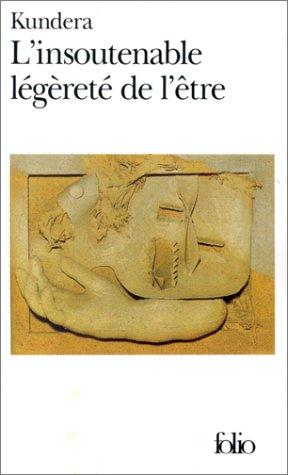 The Unbearable Lightness of Being
Milan Kundera · 1984
Lvl 5314ppKundera keeps interrupting his own love story to lecture on kitsch, eternal return, and the weight of a single life: the gentlest on-ramp to a novel that argues with itself.
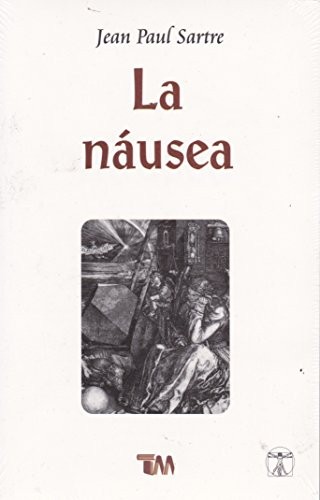 Nausea
Jean-Paul Sartre · 1938
Lvl 6256ppSartre's diarist catalogues his own revulsion at existing until the plot dissolves entirely into philosophy: the essay-novel's founding document, dressed as a notebook.
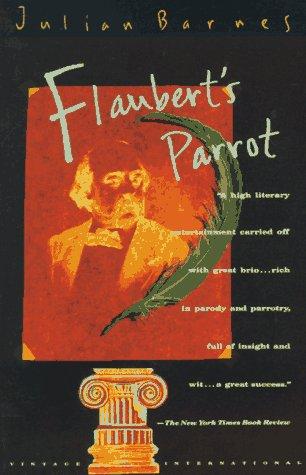 Flaubert's Parrot
Julian Barnes · 1984
Lvl 6190ppBarnes turns literary biography into detective story and confession at once: a retired doctor hunting the 'real' Flaubert while grieving his own dead wife between footnotes.
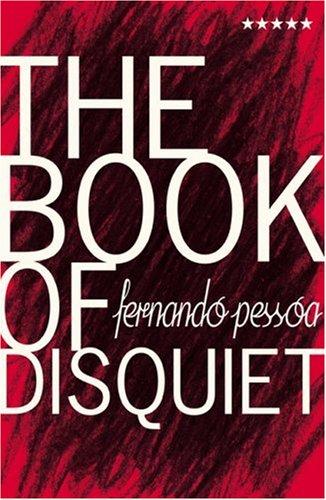 The Book of Disquiet
Fernando Pessoa · 1982
Lvl 7480ppPessoa's fragments have no plot to interrupt in the first place: thought entirely replacing story, assembled from a clerk's desk drawer after his death.
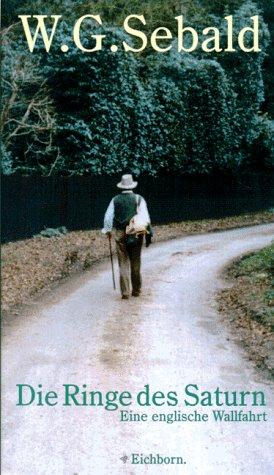 The Rings of Saturn
W. G. Sebald · 1995
Lvl 7304ppSebald walks the Suffolk coast and free-associates through silk farms, Borges, and the Holocaust: essay, memoir, and photograph fused into one grieving sentence.
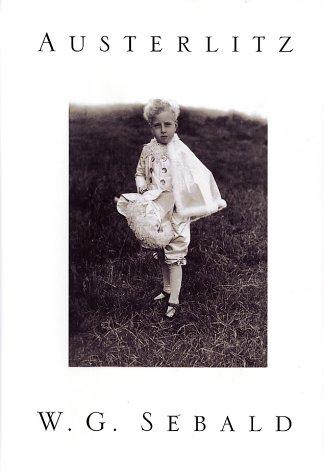 Austerlitz
W. G. Sebald · 2001
Lvl 7416ppSebald's culmination: a single, recovered, catastrophic memory approached so obliquely it takes a whole book of digression to finally arrive.
 The Man Without Qualities
Robert Musil · 1930
Lvl 91774ppMusil's capstone and the hardest text here: over a thousand pages of essayistic digression around a man who refuses to have a defining quality, left unfinished at his death because the argument had no natural end.