
Founding African Anglophone Fiction
Amos Tutuola's self-taught, unstandardized English scandalized London in 1952 and opened a door Achebe would walk through with more classical control; alongside him, a generation proved the African novel in English could be as various in style as it was united in subject. Seven books run from that founding scandal to a woman's ironic dismantling of both colonizer and elite.
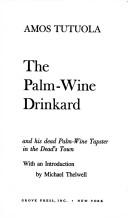 The Palm-Wine Drinkard
Amos Tutuola · 1952
Lvl 6125ppTutuola arrived in London like nothing English-language fiction had seen: Yoruba folk-tale logic in a self-taught, unruly English that scandalized as much as it delighted, and opened the door the whole movement walks through.
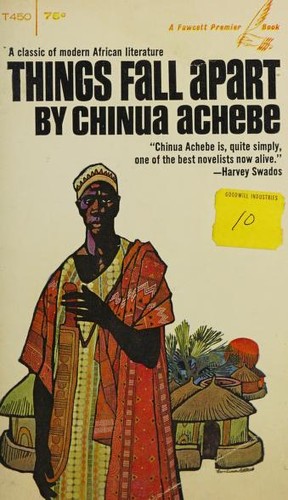 Things Fall Apart
Chinua Achebe · 1958
Lvl 4209ppAchebe answers with more classical control: a wrestler and yam farmer's whole world unravels once missionaries and colonial courts arrive, the founding, unimprovable statement of the form.
 Arrow of God
Chinua Achebe · 1964
Lvl 5287ppAchebe's fuller, angrier treatment sends a village priest into collision with a colonial administration that neither side fully understands: tradition's authority tested against a bureaucracy that can't recognize it as authority at all.
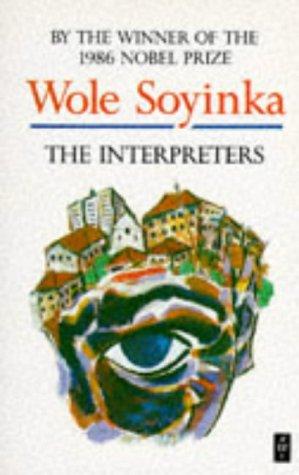 The Interpreters
Wole Soyinka · 1965
Lvl 8251ppSoyinka gathers Nigeria's newly Westernized intellectual elite at parties and academic squabbles: independence examined skeptically from inside the class meant to benefit from it most.
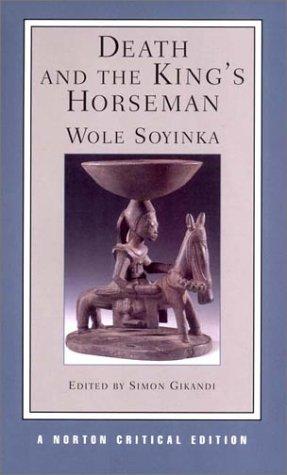 Death and the King's Horseman
Wole Soyinka · 1975
Lvl 696ppSoyinka's play stages a colonial district officer's fatal interference in a Yoruba ritual suicide: two entirely incompatible ideas of duty colliding, neither one villainized.
 The Beautyful Ones Are Not Yet Born
Ayi Kwei Armah · 1968
Lvl 6183ppArmah meets Ghanaian independence's broken promises with bilious, unforgettable disgust: a whole nation's corruption rendered as literal, inescapable filth.
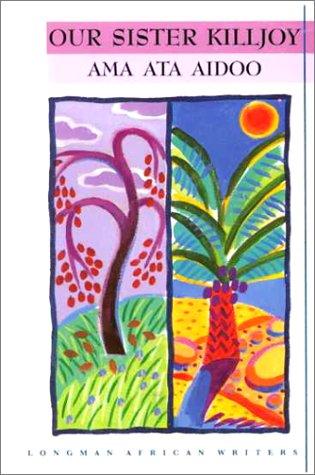 Our Sister Killjoy
Ama Ata Aidoo · 1977
Lvl 7133ppThe capstone: Aidoo sends a Ghanaian student to Europe and lets her ironic, unimpressed eye dismantle both Western condescension and home's own Westernized elite, the founding generation's questions handed to a woman for the first time, and sharpened.