
American Postmodernism
Postwar America's novelists met a country of corporate, military, and informational systems too vast for any individual to comprehend with the only tools that seemed adequate: excess, irony, and formal play. Eight books run from Vonnegut's Dresden firestorm through Pynchon's paranoid conspiracies to the encyclopedic capstone that gives the movement its signature scale.
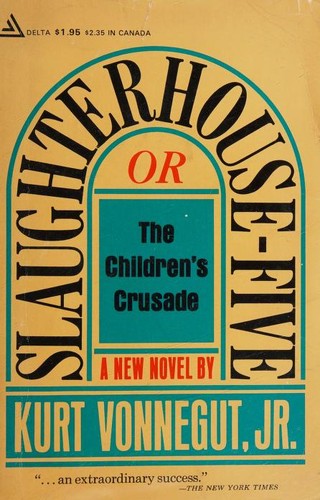 Slaughterhouse-Five
Kurt Vonnegut · 1969
Lvl 5215ppVonnegut answers the Dresden firestorm he survived with 'so it goes' repeated every time death shows up: black comedy applied directly to atrocity, refusing to dignify it with tragedy's usual weight.
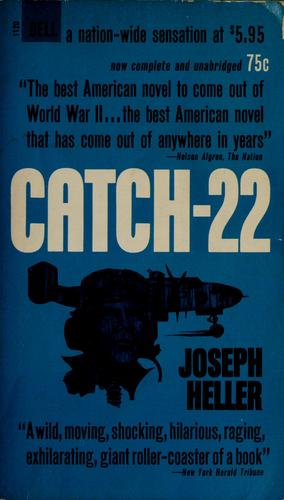 Catch-22
Joseph Heller · 1961
Lvl 6453ppHeller makes war's whole bureaucratic logic a self-sealing joke: you're only crazy enough to be grounded if you ask to be grounded, which proves you're sane enough to keep flying.
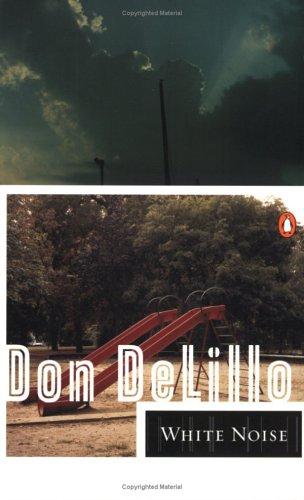 White Noise
Don DeLillo · 1985
Lvl 6326ppDeLillo's professor of Hitler Studies survives an 'airborne toxic event' and a supermarket's endless aisles with the exact same cool, mediated detachment: postmodern dread with the volume turned down to a hum.
 The Crying of Lot 49
Thomas Pynchon · 1966
Lvl 8152ppPynchon's shortest, most approachable puzzle: a woman named executor of an estate stumbles into a possible centuries-old postal conspiracy that may or may not actually exist, paranoia as the default epistemology.
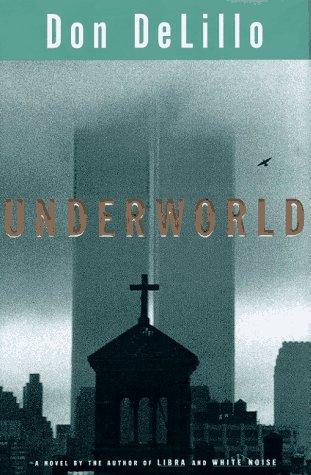 Underworld
Don DeLillo · 1997
Lvl 8827ppDeLillo opens with the most famous home run in baseball history and spins fifty years of Cold War waste, garbage, and secrets out from under it: American systems rendered as one continuous, buried plot.
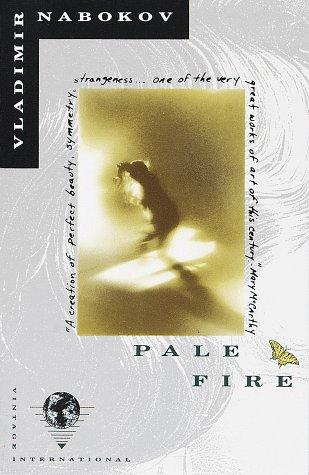 Pale Fire
Vladimir Nabokov · 1962
Lvl 9315ppNabokov's 999-line poem arrives with a mad scholar's commentary that hijacks the whole book: the postmodern game of unreliable apparatus taken about as far as it can go.
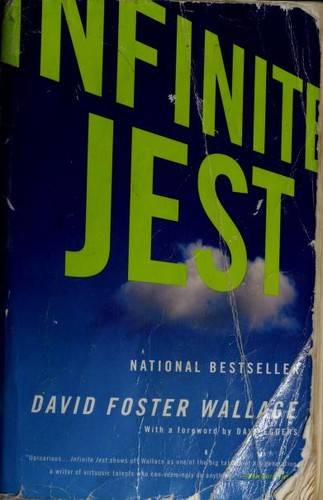 Infinite Jest
David Foster Wallace · 1996
Lvl 101079ppWallace's late, maximal heir to the tradition buries an entertainment so absorbing it kills its viewers inside a thousand pages of footnotes, tennis academies, and halfway houses: irony pushed until it starts looking for a way out of itself.
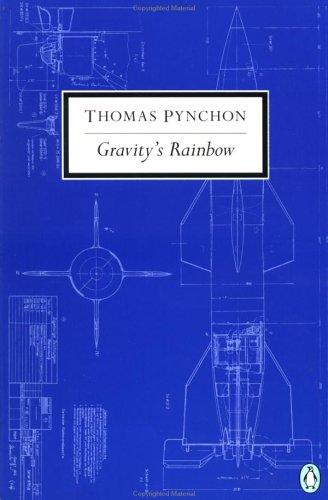 Gravity's Rainbow
Thomas Pynchon · 1973
Lvl 10776ppThe capstone: Pynchon's encyclopedic V-2 rocket conspiracy crams WWII London with paranoia, slapstick, and technical jargon until the plot itself might just be entropy, the fullest, most demanding statement of what a systems-novel can hold.