
Argentine Fantastic & Metafiction
This is a compact movement: three writers extending Borges's labyrinths past pure metaphysics and into censorship, perception, and speed. Six books run from Borges's own necessary precursor through Aira's improvised inventions to Piglia's capstone, the movement's most serious reckoning with how fiction can speak under a dictatorship.
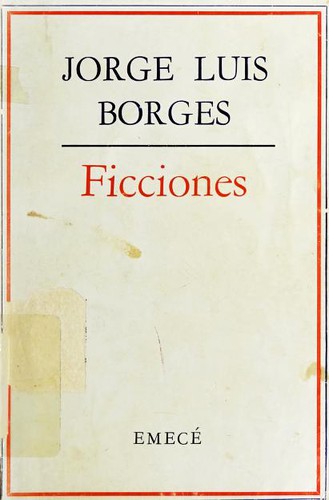 Ficciones
Jorge Luis Borges · 1944
Lvl 7174ppLegacy pick, and the necessary starting point: Borges never wrote a novel, but his labyrinths and invented encyclopedias gave this later generation its metaphysical toolkit, the lineage this movement extends past Borges's own metaphysics and into politics.
 Ghosts
César Aira · 1990
Lvl 5139ppAira's apartment-building ghosts wander unnoticed through a New Year's Eve party while the living argue about class and construction costs: the 'flight forward' method at its most purely inventive, written fast and left exactly as it came out.
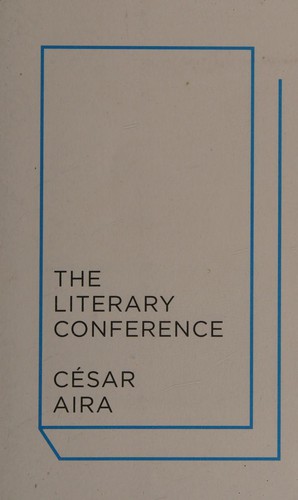 The Literary Conference
César Aira · 1997
Lvl 590ppAira's mad scientist tries to clone a world-famous novelist and accidentally clones a giant silkworm instead: an absurd premise pursued to its most disorienting, gleeful conclusion.
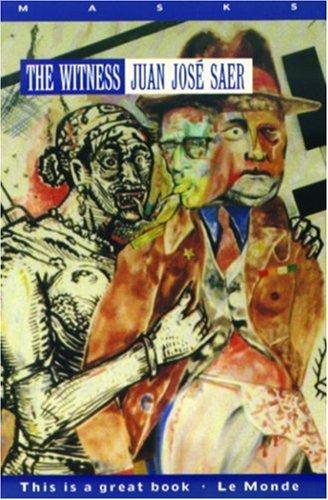 The Witness
Juan José Saer · 1983
Lvl 7179ppSaer's shipwrecked cabin boy is adopted by a cannibal tribe and made to watch their rituals for ten years: perception and memory interrogated with near-philosophical, essayistic rigor.
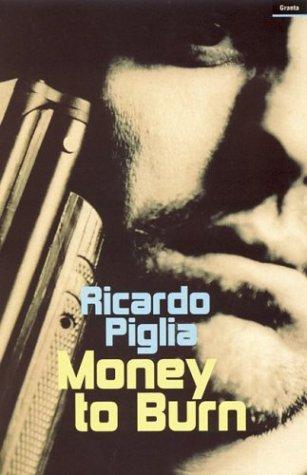 Money to Burn
Ricardo Piglia · 1997
Lvl 5208ppPiglia fictionalizes an actual bank robbery and its gang's amphetamine-fueled siege standoff: a heist plot used as camouflage for an argument about violence, media, and the state.
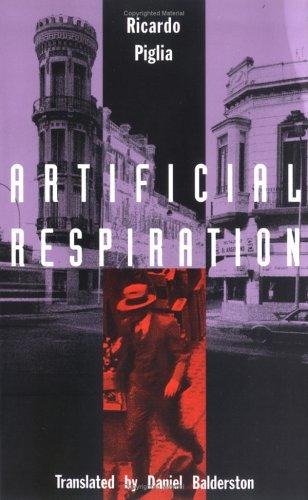 Artificial Respiration
Ricardo Piglia · 1980
Lvl 8224ppThe capstone: Piglia braids a missing-persons investigation, a decades-old family correspondence, and a debate about how fiction can even speak under censorship: the Borgesian game redirected fully toward dictatorship and history.