
Autofiction & the Self
Autofiction takes the author's own life as raw material but refuses the memoir's pact of accuracy: Ernaux's cold, sociological 'I' and Knausgaard's exhausting, hypnotic real-time record both stake the same claim: the self is the last frontier the novel had left. Seven books run from Ernaux's shortest, plainest grief through Ditlevsen's decades-early clarity to the collective, capstone 'we' that helped win Ernaux the Nobel.
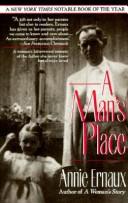 A Man's Place
Annie Ernaux · 1983
Lvl 3112ppErnaux writes her own father's life and death in short, deliberately unornamented sentences: private grief presented as sociological evidence, refusing the memoir's usual warmth.
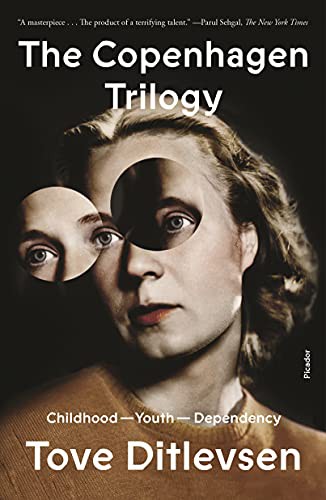 The Copenhagen Trilogy
Tove Ditlevsen · 1971
Lvl 4384ppDitlevsen's three-volume memoir-as-fiction tracks her own childhood, ambition, and addiction with a clarity so exact it reads like autofiction before the word existed, decades ahead of the wave it now anchors.
 Faces
FacesTove Ditlevsen · 1968
Lvl 5128ppDitlevsen's novel of a children's-book author's breakdown and hospitalization blurs invention and her own documented history until the two are inseparable: addiction and art narrated with the same terrible precision as her memoirs.
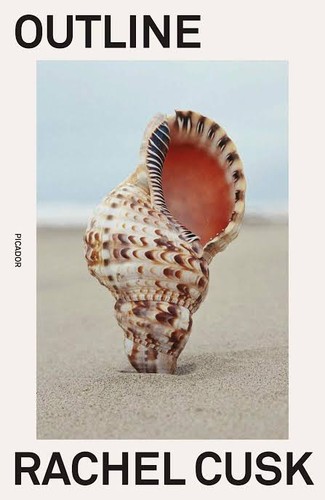 Outline
Rachel Cusk · 2014
Lvl 6249ppCusk empties her narrator almost entirely, letting a summer of strangers on a Greek writing course do all the talking: a self built from what other people say to a woman who barely speaks.
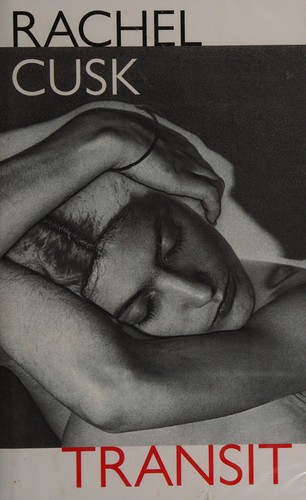 Transit
Rachel Cusk · 2016
Lvl 6260ppCusk's narrator, newly divorced, renovates a London house while everyone around her narrates their own catastrophes at her: the method sharpened, the emptied-out 'I' now absorbing an entire city's confessions.
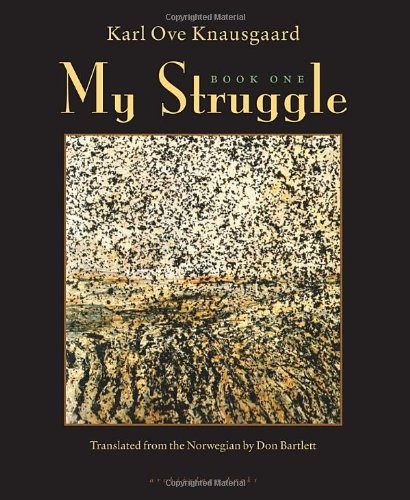 My Struggle
Karl Ove Knausgaard · 2009
Lvl 5440ppKnausgaard records his own ordinary days, meals, and fatherhood at exhausting, hypnotic length across six volumes: exhaustive real-time documentation as the last unclaimed literary territory.
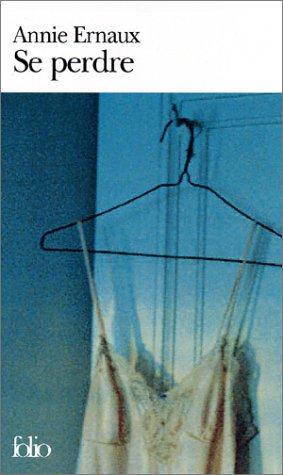 The Years
Annie Ernaux · 2008
Lvl 6232ppThe capstone: Ernaux narrates her whole life in the collective 'we' and third person, refusing 'I' almost entirely, photographs and dated fragments standing where invention would usually go, the sociological self at its most complete, and the book that helped win her the Nobel.