
The Bengali Renaissance
The Bengal Renaissance fused reformist politics, a revived vernacular prose, and the era's biggest new form, the novel, into one unprecedented cultural flowering, crowned when Rabindranath Tagore became the first non-European Nobel laureate in Literature. Five books run from a doomed romance still adapted every decade through the movement's foundational nationalist novel to Tagore's most searching capstone.
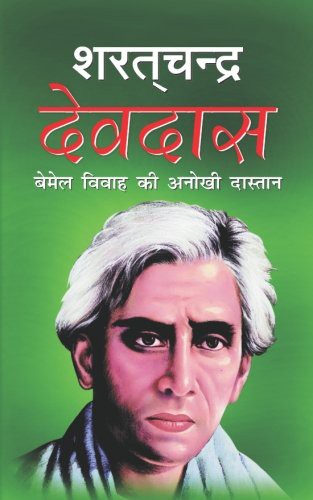 Devdas
Sarat Chandra Chattopadhyay · 1917
Lvl 2116ppSarat Chandra's ruined romantic hero drinks himself toward death rather than accept the woman he loves marrying someone else: the most filmed, most beloved tragedy in the language, and the easiest door in.
 Anandamath
Bankim Chandra Chattopadhyay · 1882
Lvl 5240ppBankim Chandra's monk-warriors take up arms against famine and colonial rule and sing 'Vande Mataram,' the song that would outlive the novel to become India's National Song: the movement's founding, most incendiary text.
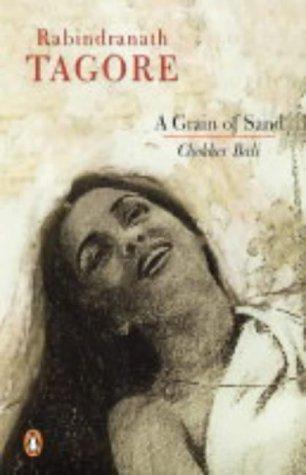 Chokher Bali
Rabindranath Tagore · 1903
Lvl 5320ppTagore's psychological triangle between a widow, her friend, and her friend's husband treats desire as frankly as any European realist novel of the era, and scandalized readers for exactly that reason.
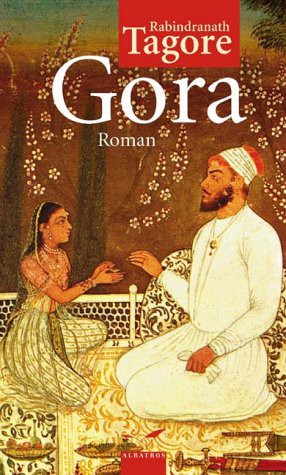 Gora
GoraRabindranath Tagore · 1910
Lvl 5408ppTagore's foundling hero champions a militant Hindu nationalism that the novel then patiently, devastatingly dismantles as his own parentage comes to light: identity politics interrogated from the inside.
 The Home and the World
Rabindranath Tagore · 1916
Lvl 6264ppThe capstone: Tagore stages the independence movement's own internal argument, tradition versus nationalism versus a wife's awakening, inside one household, the novel most consider his structural masterpiece.