
The Brazilian Modern Novel
Working alongside but distinct from the Spanish-language Boom next door, Brazilian regionalism built its own tradition out of the sertão's drought and the sugar coast's sensuous excess. Six novels run between the movement's two poles: Rachel de Queiroz's woman's-eye drought fiction, Ramos's spare devastation, and Amado's warm, culinary Bahia.
 The Fifteen
Rachel de Queiroz · 1930
Lvl 3176ppRachel de Queiroz's debut, written at nineteen, gives the drought novel a woman's vantage: a ranching family's slow ruin, watched by the daughter who has to hold it together.
 The Three Marias
Rachel de Queiroz · 1939
Lvl 3180ppQueiroz follows three childhood friends named Maria into radically different adult lives: the drought novel's interior turn, one generation past The Fifteen.
 São Bernardo
Graciliano Ramos · 1934
Lvl 6192ppGraciliano Ramos's brutal landowner narrates his own rise and marriage in prose as harsh as the man himself: regionalism's psychological edge, sharpened.
 Barren Lives
Graciliano Ramos · 1938
Lvl 6132ppRamos's family flees the drought in prose as parched as the land itself: barely punctuated, told partly from a dog's point of view, the movement's austere pole at its most complete.
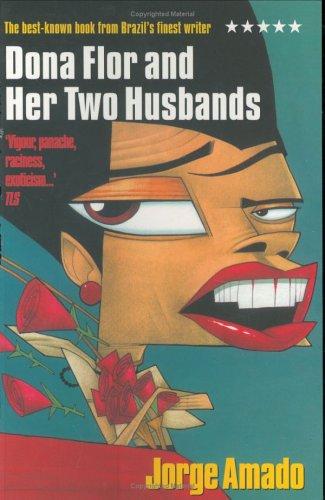 Dona Flor and Her Two Husbands
Jorge Amado · 1966
Lvl 4552ppAmado's widow remarries, and then her dead first husband's ghost shows up wanting his conjugal rights back: Bahia rendered in warm, sensuous, mischievous excess.
 Gabriela, Clove and Cinnamon
Jorge Amado · 1958
Lvl 3424ppThe capstone: Amado's cook-turned-lover romance is warm where Ramos is austere, sensuous where the sertão is parched, Brazilian regionalism's other pole, published the same year, 1958, the movement closes.