
The Harlem Renaissance & After
In 1920s Harlem a generation of writers claimed cultural independence outright; the tradition regrouped rather than dying when the Depression cut the flowering short, and deepened into some of the century's permanent masterpieces. Seven books run that whole arc, from the interior costs of passing to the fullest American modernist epic ever built around double consciousness.
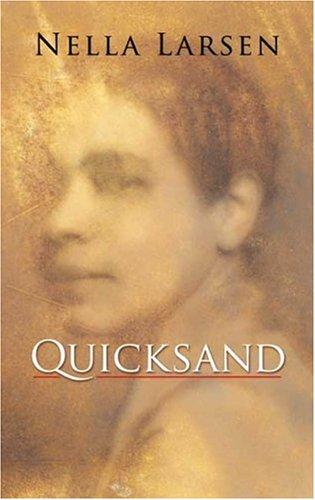 Quicksand
Nella Larsen · 1928
Lvl 5135ppLarsen's mixed-race heroine drifts from Denmark to Harlem to the rural South, never at home anywhere: the color line explored as an internal, unresolvable psychological drama.
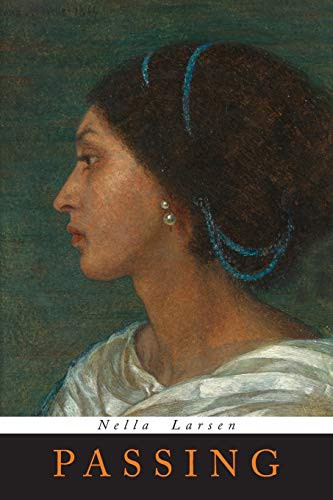 Passing
Nella Larsen · 1929
Lvl 4114ppLarsen's tighter, tenser follow-up: two childhood friends, one living white, reunite, and the reunion turns lethal. Modernist precision applied to a story realism wouldn't touch.
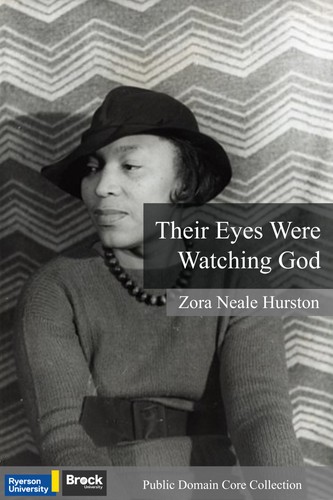 Their Eyes Were Watching God
Zora Neale Hurston · 1937
Lvl 5219ppHurston writes Black Southern speech as high literary art: a woman's three marriages and her own hard-won voice, fused into one sentence at a time.
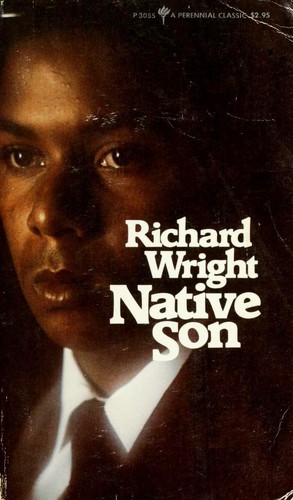 Native Son
Richard Wright · 1940
Lvl 5447ppWright's Chicago tenement and one catastrophic accident indict an entire system before the trial even starts: protest fiction at its most unflinching.
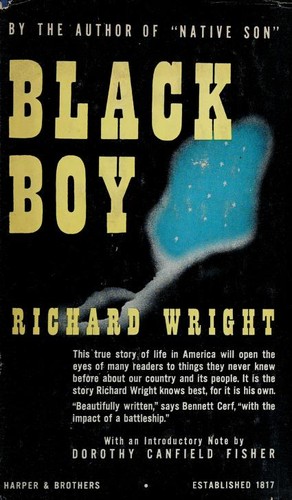 Black Boy
Richard Wright · 1945
Lvl 4448ppWright's own Jim Crow childhood, rendered with the same unsparing clarity as his fiction: memoir as the movement's rawest documentary evidence.
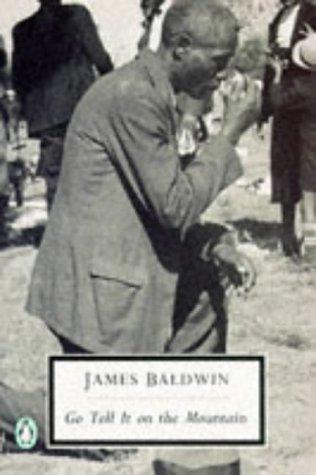 Go Tell It on the Mountain
James Baldwin · 1953
Lvl 6240ppBaldwin brings confessional, essayistic fire to his own Harlem storefront-church childhood: one long night of religious reckoning, autobiographical and furious.
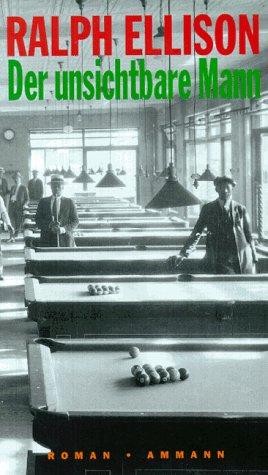 Invisible Man
Ralph Ellison · 1952
Lvl 7581ppThe capstone: Ellison's unnamed narrator goes underground to survive being unseen, double consciousness turned into the great American modernist epic.