
Japanese Modernism & Aesthetics
In a single generation Japan went from no novel at all to a fully mature, thoroughly modern literary tradition: quiet devastation under dry humor, moral vertigo compressed into a handful of pages, restraint treated as a moral position. Seven books track that absorption from an 1890s tragedy to the family saga that closes the era.
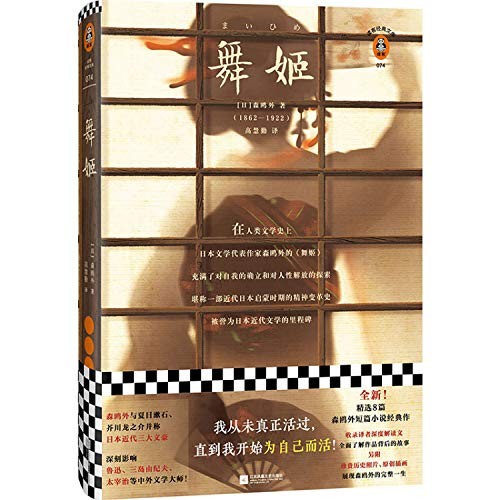 The Dancing Girl
Ōgai Mori · 1890
Lvl 496ppMori's brief, guilty tale of a Japanese student's affair with a Berlin dancer opens the era: the West and its costs, felt from the inside, in 1890.
 The Wild Goose
Ōgai Mori · 1911
Lvl 3160ppMori's later, gentler novella of a near-miss romance shows the same restraint sharpened: everything left unsaid carrying more weight than anything spoken.
 Kokoro
Natsume Sōseki · 1914
Lvl 4248ppSōseki's student-and-Sensei confession is where the modern Japanese novel truly begins: clear, quiet prose carrying the era's whole anxiety about becoming modern.
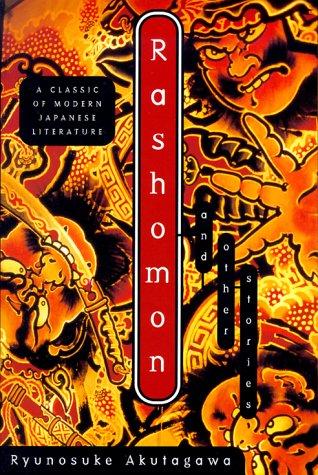 Rashōmon and Other Stories
Ryūnosuke Akutagawa · 1915
Lvl 5128ppAkutagawa compresses moral vertigo into a handful of perfect pages: the same crime, told from four irreconcilable perspectives, and no way to know which one is true.
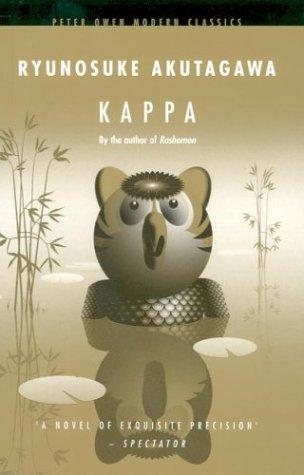 Kappa
KappaRyūnosuke Akutagawa · 1927
Lvl 6104ppAkutagawa's satirical fantasy sends a madman into a society of river-goblins who've solved everything humans haven't: comedy hiding the same despair that ended his life a year later.
 Some Prefer Nettles
Jun'ichirō Tanizaki · 1929
Lvl 4224ppTanizaki stages a marriage's quiet dissolution against traditional puppet theater: modern surfaces and older pleasures pulling a man in two directions at once.
 The Makioka Sisters
Jun'ichirō Tanizaki · 1948
Lvl 4530ppThe capstone: Tanizaki's family saga tracks four sisters through a vanishing world of matchmaking and cherry blossoms, the movement's grand finale, published the same year, 1948, it closes.