
Medieval Storytelling
Five books stage the vernacular's slow, then sudden, takeover of European literature: an anonymous Old English monster poem at the edges, a plague sending storytellers into a villa, pilgrims arguing on the road to Canterbury, a knight's whole legendary cycle gathered into prose, and Dante marching Italian through the afterlife itself.
 Beowulf
The Beowulf Poet · 1000
Lvl 6215ppAn anonymous poet mixes pagan heroism with a Christian frame in Old English: vernacular narrative already alive at the culture's edges, three centuries before Dante makes the case on purpose.
 The Canterbury Tales
Geoffrey Chaucer · 1400
Lvl 7500ppChaucer puts a knight, a miller, and a wife who's buried five husbands on the road to Canterbury: English literature's first great crowd, arguing in every register from bawdy to devout.
 The Decameron
Giovanni Boccaccio · 1353
Lvl 5900ppBoccaccio's ten Florentines flee the Black Death into a villa and tell a hundred tales to outlast it: prose fiction's dress rehearsal for the novel, crisis as the occasion for storytelling.
 Le Morte d'Arthur
Thomas Malory · 1485
Lvl 6900ppMalory gathers centuries of scattered Arthurian legend into one prose compendium just as the printing press arrives to fix it permanently: the old romance, standardized.
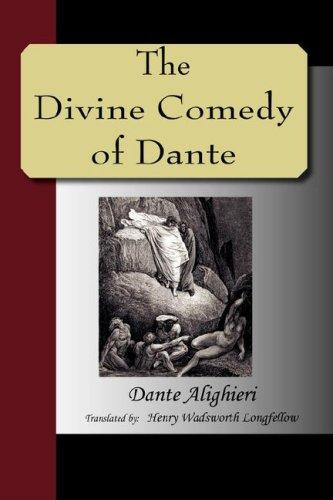 The Divine Comedy
Dante Alighieri · 1320
Lvl 8700ppThe capstone: Dante takes Florentine Italian, a language nobody thought could carry an epic, and marches it through Hell, Purgatory, and Heaven, the vernacular's whole argument, won in one poem.