
Mitteleuropa
In the cafés of Prague, Vienna, and Budapest, a literature formed around one shared conviction: the absurd isn't fantasy, it's the most accurate available description of modern life. Eight books run from Kafka's insect to Musil's unfinished thousand-page monument, by way of Communist-era survival and a labor camp told slant.
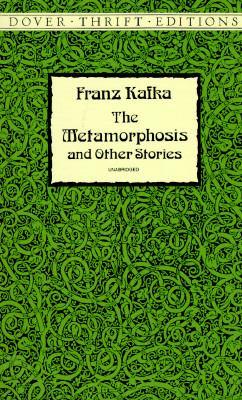 The Metamorphosis
Franz Kafka · 1915
Lvl 496ppKafka's traveling salesman wakes up as an insect and the prose doesn't blink: the movement's shortest, most total statement of bureaucratic nightmare rendered as total realism.
 The Street of Crocodiles
Bruno Schulz · 1934
Lvl 8160ppSchulz turns his own provincial Galician street into private myth: his father transforms into a bird, a cockroach, ash, and the town just watches, unastonished.
 The Radetzky March
Joseph Roth · 1932
Lvl 5352ppJoseph Roth follows three generations of one family serving a dying Habsburg empire: Mitteleuropa's dissolution felt as a slow, dignified, permanent vertigo.
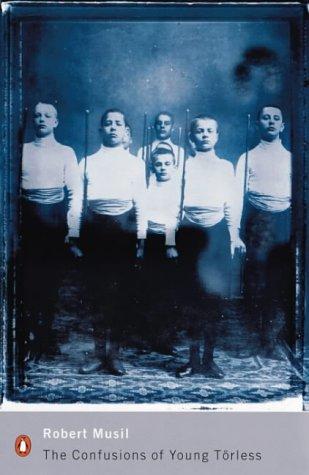 Young Törless
Robert Musil · 1906
Lvl 6192ppMusil's boarding-school cruelty is the psychological seed of everything he'll attempt later: power, complicity, and a young mind starting to notice both.
 The Trial
Franz Kafka · 1925
Lvl 6256ppKafka's other great nightmare: a man arrested and prosecuted for a crime the court will never name, bureaucracy rendered with total, deadpan realism.
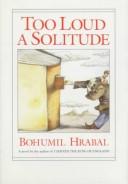 Too Loud a Solitude
Bohumil Hrabal · 1976
Lvl 698ppHrabal's book-pulper spends thirty-five years rescuing condemned books one page at a time: Communist-era survival compressed into ninety-eight elegiac pages.
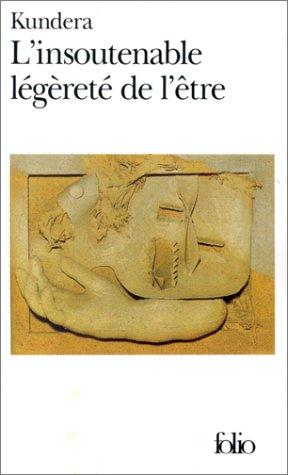 The Unbearable Lightness of Being
Milan Kundera · 1984
Lvl 5314ppKundera interrupts his own Prague Spring love story constantly to lecture on kitsch and eternal return: irony as the only sane response to a tank in the street.
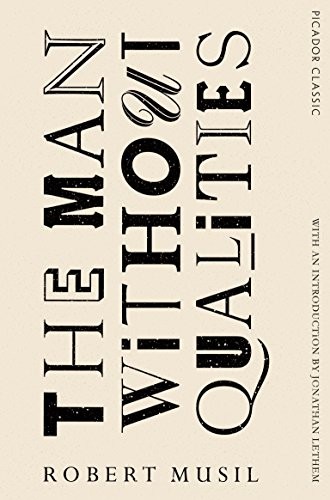 The Man Without Qualities
Robert Musil · 1930
Lvl 91774ppThe capstone and the hardest text here: Musil's thousand-plus pages of essayistic digression around a man who refuses to have a defining quality, left unfinished at his death because the argument had no natural end.