
The Epic Line
The epic is literature's oldest job description: hold everything (gods, wars, the dead) in a single sustained telling. Walk the line from a Sumerian king grieving his friend to a posthumous Chilean monument, and watch the form outlive every civilization that built it.
 The Epic of Gilgamesh
Sîn-lēqi-unninni · 1200 BCE
Lvl 4224ppStart at the absolute beginning: four thousand years old, barely two hundred pages, and already about the only two epic subjects there are: friendship and death.
 The Iliad
Homer · 750 BCE
Lvl 7600ppHomer narrows a ten-year war to a few weeks of Achilles' rage: the Western epic's founding bet that the whole is visible in the fragment.
 The Odyssey
Homer · 725 BCE
Lvl 6450ppThe other Homer: the war over, the long way home; every journey narrative since is a footnote to this one.
 The Mahabharata
Vyasa · 300 BCE
Lvl 81000ppThe detour east that dwarfs everything west: a dynasty's civil war vast enough to pause for the Bhagavad Gita on the eve of battle.
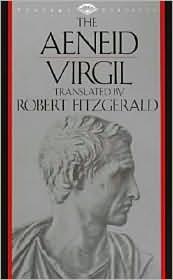 The Aeneid
Virgil · 19 BCE
Lvl 6400ppVirgil retools Homer's machinery into a national myth and quietly counts what empire costs: the epic learning to doubt itself.
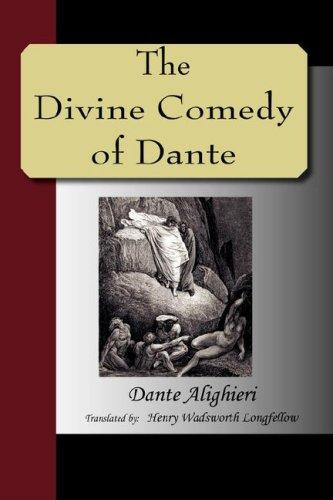 The Divine Comedy
Dante Alighieri · 1320
Lvl 8700ppDante turns the epic inward: the journey now runs through the afterlife, and the hero is the poet himself.
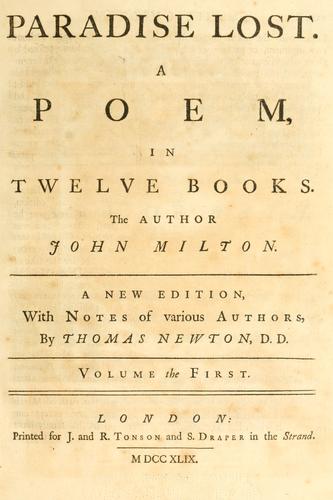 Paradise Lost
John Milton · 1667
Lvl 8300ppMilton takes the form to its theological limit: the last great verse epic in English, with the devil as its most magnetic voice.
 2666
2666Roberto Bolaño · 2004
Lvl 8912ppThe capstone proves the epic impulse outlived the poem: Bolaño's five-part monument is Homeric scope aimed at the twenty-first century's abyss.