

William Golding
England
Clear, controlled, quietly ominous prose that lets symbolic dread accumulate beneath a boy's-adventure surface until it breaks through completely.
Golding taught English and philosophy at a Salisbury school through the 1930s before the Second World War, in which he served in the Royal Navy, commanding a rocket-launching craft and taking part in the D-Day landings, combat experience he later said convinced him that civilization's veneer over human cruelty was desperately thin. He returned to teaching afterward and wrote Lord of the Flies in his spare evenings; it was rejected by more than twenty publishers before Faber accepted it in 1954.
The novel's marooned schoolboys descending into savagery became one of the most widely taught books of the century. Golding left teaching to write full time, won the Booker Prize in 1980 for Rites of Passage, and the Nobel Prize in Literature in 1983, honored for novels that, the citation said, illuminate the human condition in the world today.
Their books in the atlas
- 1954
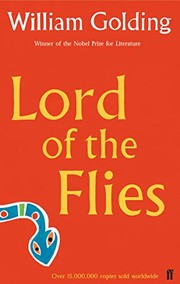 Lord of the FliesLvl 3tragedy
 - 1955
 The InheritorsLvl 7speculative fiction
 - 1980
 Rites of PassageLvl 6historical fiction
Meanwhile, elsewhere
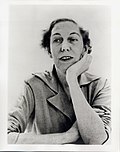 1909–2001Eudora WeltyUnited StatesNorth America · United States
 1909–1993Wallace StegnerUnited StatesNorth America · United States1908–2000William MaxwellUnited StatesNorth America · United States
 1910–1998Wright MorrisUnited StatesNorth America · United States
 1903–1993Silvina OcampoArgentinaLatin America · Argentina
 1911–2011Ernesto SabatoArgentinaLatin America · Argentina
If you like Golding, try
 1903–1966Evelyn WaughEnglandshared movement: The British Midcentury Novel · kindred genres: tragedy · same region & era
 1926–2005John FowlesEnglandshared movement: The British Midcentury Novel · kindred genres: historical fiction, psychological novel · same region & era
 1919–1999Iris MurdochIreland / Englandshared movement: The British Midcentury Novel · same region & era
 1904–1991Graham GreeneEnglandshared movement: The British Midcentury Novel · same region & era
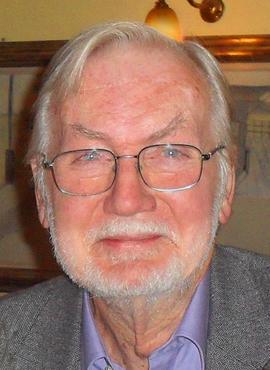 1930–2012Barry UnsworthEnglandkindred genres: tragedy, historical fiction · neighboring movements · same region & era
 b. 1954Kazuo IshiguroEngland / Japankindred genres: speculative fiction, historical fiction · neighboring movements · same region & era