

Thomas Hardy
England
Somber and deliberate, nature and coincidence looming over the characters like fate made visible: a tragic, almost geological sense of time.
Hardy trained and worked as an architect, restoring country churches across Dorset, before novel-writing paid well enough to let him quit. He built the fictional county of Wessex out of that landscape and populated it with characters crushed by chance and convention: Tess of the d'Urbervilles (1891), subtitled 'A Pure Woman' in deliberate provocation, scandalized reviewers for defending its 'fallen' heroine.
Jude the Obscure (1895) provoked worse: one bishop reportedly burned his copy, and the outcry drove Hardy to abandon fiction entirely after it. He spent his last three decades writing poetry instead, including a sequence of devastating elegies after his estranged first wife Emma died in 1912. He died in 1928 in a compromise burial: his heart interred in Dorset, his ashes in Westminster Abbey.
Lines of influence
No descendants recorded, yet.
Their books in the atlas
- 1874
 Far from the Madding CrowdLvl 4romance
 - 1878
 The Return of the NativeLvl 6tragedy
 - 1886
 The Mayor of CasterbridgeLvl 5tragedy
 - 1887
 The WoodlandersLvl 5tragedy
 - 1891
 Tess of the d'UrbervillesLvl 4tragedy
 - 1895
 Jude the ObscureLvl 5tragedy
Meanwhile, elsewhere
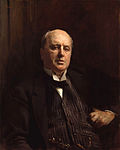 1843–1916Henry JamesUSA / EnglandNorth America · USA / England
 1828–1910Leo TolstoyRussiaRussia & Eastern Europe · Russia
 1846–1916Henryk SienkiewiczPolandRussia & Eastern Europe · Poland
 1835–1910Mark TwainUSANorth America · USA
 1839–1908Machado de AssisBrazilLatin America · Brazil
 1861–1941Rabindranath TagoreIndia (Bengal)South Asia · India (Bengal)
If you like Hardy, try
 1819–1880George EliotEnglandshaped Hardy · shared movement: The Victorian Novel · kindred genres: psychological novel, tragedy
 1852–1901Leopoldo Alas "Clarín"Spainshared movement: Naturalism · kindred genres: tragedy, psychological novel · same region & era
 1840–1902Émile ZolaFranceshared movement: Naturalism · kindred genres: tragedy, psychological novel · same region & era
 1818–1848Emily BrontëEnglandshared movement: The Victorian Novel · kindred genres: romance, tragedy · same region & era
 1862–1937Edith WhartonUSAkindred genres: tragedy, psychological novel · neighboring movements
 1888–1964Frans Eemil SillanpääFinlandkindred genres: tragedy, psychological novel · neighboring movements · same region & era