

Frans Eemil Sillanpää
Finland
Slow, sun-warmed naturalism: people watched with the patience of a field biologist and the mercy of a hymn.
Sillanpää was born in a one-room croft in Hämeenkyrö and reached Helsinki on scholarships to study natural science; he left without a degree, but the biology stayed: his people are creatures of soil, season, and instinct, observed without blame.
Meek Heritage (1919) dared to tell Finland's fresh civil war through a hapless crofter shot almost by accident, grieving both sides when neither wanted grief; The Maid Silja (1931), the luminous decline of a consumptive servant girl, carried his name across Europe.
The Nobel came in the terrible autumn of 1939, days into the Winter War, and Finland read it as the world's sympathy in prize form. His later decades brought widowhood, depression, and drink, then an unlikely second act as 'Taata,' the nation's radio grandfather, until his death in 1964.
Lines of influence
No descendants recorded, yet.
Their books in the atlas
- 1931
 The Maid SiljaLvl 4tragedy
Meanwhile, elsewhere
 1878–1968Upton SinclairUnited StatesNorth America · United States
 1884–1969Rómulo GallegosVenezuelaLatin America · Venezuela
 1886–1965Jun'ichirō TanizakiJapanEast Asia · Japan
 1884–1964Halide Edip AdıvarTurkeyMiddle East · Turkey
 1887–1970S. Y. AgnonUkraine (Galicia) / IsraelMiddle East · Ukraine (Galicia) / Israel
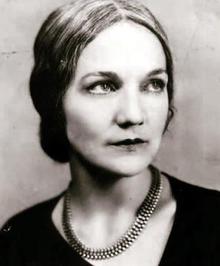 1890–1980Katherine Anne PorterUnited StatesNorth America · United States
If you like Sillanpää, try
 1859–1952Knut HamsunNorwayshaped Sillanpää · shared movement: The Modern Breakthrough & the Nordic Novel · kindred genres: psychological novel
 1882–1949Sigrid UndsetNorwayshared movement: The Modern Breakthrough & the Nordic Novel · kindred genres: tragedy, psychological novel · same region & era
 1852–1901Leopoldo Alas "Clarín"Spainkindred genres: psychological novel, tragedy · neighboring movements · same region & era
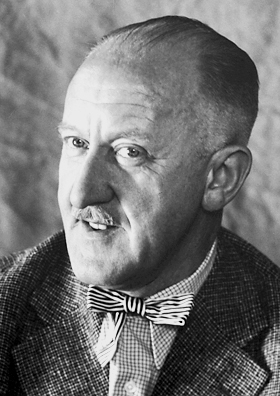 1902–1998Halldór LaxnessIcelandshared movement: The Modern Breakthrough & the Nordic Novel · kindred genres: tragedy · same region & era
 1821–1881Fyodor DostoevskyRussiainfluence, once removed · kindred genres: psychological novel, tragedy · neighboring movements
 1871–1945Theodore DreiserUnited Stateskindred genres: psychological novel, tragedy · neighboring movements