
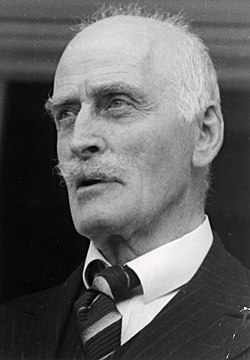
Knut Hamsun
Norway
Feverish and unstable, a mind's hunger and pride rendered in jagged, associative leaps: prose that mimics derangement from the inside.
Hamsun grew up poor in northern Norway, apprenticed to a shoemaker, and worked as a peddler, road laborer, and schoolteacher before crossing to America twice in the 1880s, taking jobs as a farmhand and Chicago streetcar conductor while failing to break through as a writer; he returned to Norway resentful and wrote a scathing book denouncing American culture. Hunger (1890), drawn from his own near-starvation wandering the streets of Kristiania, made him famous for its raw, unmediated rendering of a starving mind.
He won the Nobel Prize in Literature in 1920 for Growth of the Soil, by then Norway's most celebrated novelist. In old age he became an outspoken admirer of Hitler, met him personally, publicly supported Norway's Nazi collaborationist government, and even sent his Nobel medal to Goebbels; tried for treason after the war, he was spared prison only because he was declared to have permanently diminished mental faculties, and died disgraced and near-destitute in 1952.
Lines of influence
Their books in the atlas
- 1890
 HungerLvl 5psychological novel
 - 1917
 Growth of the SoilLvl 4epic
Meanwhile, elsewhere
 1870–1953Ivan BuninRussiaRussia & Eastern Europe · Russia
 1861–1941Rabindranath TagoreIndia (Bengal)South Asia · India (Bengal)
 1873–1952Mariano AzuelaMexicoLatin America · Mexico
 1862–1937Edith WhartonUSANorth America · USA
 1873–1947Willa CatherUnited StatesNorth America · United States
 1871–1945Theodore DreiserUnited StatesNorth America · United States
If you like Hamsun, try
 1888–1964Frans Eemil SillanpääFinlandshaped by Hamsun · shared movement: The Modern Breakthrough & the Nordic Novel · kindred genres: psychological novel
 1821–1881Fyodor DostoevskyRussiashaped Hamsun · kindred genres: psychological novel · neighboring movements
 1882–1949Sigrid UndsetNorwayshared movement: The Modern Breakthrough & the Nordic Novel · kindred genres: family saga, psychological novel · both write in Norwegian
 1832–1910Bjørnstjerne BjørnsonNorwayshared movement: The Modern Breakthrough & the Nordic Novel · both write in Norwegian · same region & era
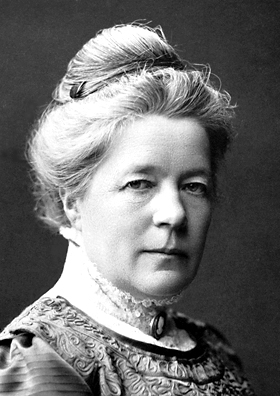 1858–1940Selma LagerlöfSwedenshared movement: The Modern Breakthrough & the Nordic Novel · kindred genres: family saga · same region & era
 1850–1893Guy de MaupassantFrancekindred genres: family saga, psychological novel · neighboring movements · same region & era