

Fyodor Dostoevsky
Russia
Feverish and headlong, thick with argument and confession, sentences that seem to think aloud in real time as characters talk themselves toward crisis.
Arrested at twenty-eight for reading banned political texts aloud, Dostoevsky stood before a firing squad that turned out to be a staged mock execution, the reprieve announced only after the guns were raised. Four years of hard labor in a Siberian prison camp followed, then internal exile; he emerged devoutly religious, epileptic, and permanently marked by what he'd witnessed.
Chronic gambling debts drove him to write at breakneck speed for money; he dictated one novel to a stenographer, Anna Snitkina, under contract deadline and married her soon after. Crime and Punishment and The Brothers Karamazov, his final novel, both grew from the same conviction that ideas are never abstract: that nihilism, faith, and murder are things a person actually has to live through.
Lines of influence
Their books in the atlas
- 1864
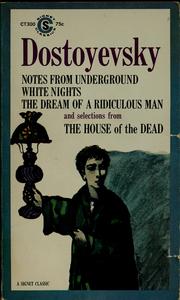 Notes from UndergroundLvl 7existentialist
 - 1866
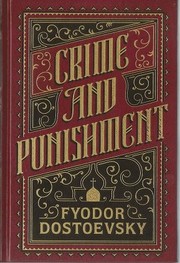 Crime and PunishmentLvl 6psychological novel
 - 1867
 The GamblerLvl 4psychological novel
 - 1869
 The IdiotLvl 7psychological novel
 - 1872
 DemonsLvl 8political novel
 - 1880
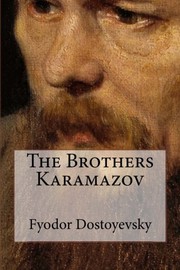 The Brothers KaramazovLvl 8philosophical novel
Meanwhile, elsewhere
 1802–1885Victor HugoFranceWestern Europe · France
 1815–1882Anthony TrollopeEnglandWestern Europe · England
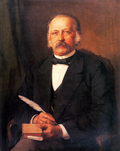 1819–1898Theodor FontaneGermanyWestern Europe · Germany
 1819–1890Gottfried KellerSwitzerlandWestern Europe · Switzerland
 1820–1887MultatuliNetherlandsWestern Europe · Netherlands
 1819–1891Herman MelvilleUSANorth America · USA
If you like Dostoevsky, try
 1809–1852Nikolai GogolUkraine / Russiashaped Dostoevsky · shared movement: The Russian Golden Age · both shaped by Pushkin
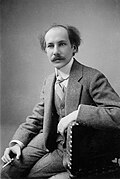 1880–1934Andrei BelyRussiashaped by Dostoevsky · both shaped by Gogol · kindred genres: psychological novel, political novel
 1828–1910Leo TolstoyRussiashared movement: The Russian Golden Age · both shaped by Pushkin · both shaped Solzhenitsyn
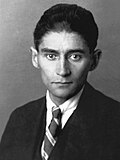 1883–1924Franz KafkaCzechia (Bohemia)shaped by Dostoevsky · both shaped by Dickens · both shaped Camus
 1799–1837Alexander PushkinRussiashaped Dostoevsky · shared movement: The Russian Golden Age · both write in Russian
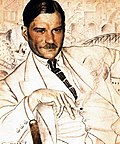 1884–1937Yevgeny ZamyatinRussiashaped by Dostoevsky · both shaped by Gogol · both write in Russian