
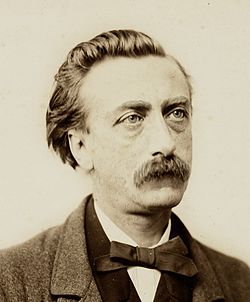
Multatuli
Netherlands
Deliberately unruly, digressive, ironic prose that keeps interrupting its own outrage with satire, daring the reader to laugh before it makes them angry.
Douwes Dekker spent nearly two decades as a colonial civil servant in the Dutch East Indies, rising to Assistant Resident of Lebak on Java, where he tried to prosecute local and Dutch officials for exploiting native coffee farmers under the forced-cultivation system. His superiors sided against him; he resigned in 1856, sailed home in debt and fury, and within four years had turned the whole affair into a novel.
Max Havelaar, published under the Latin pseudonym Multatuli ('I have suffered much') used a deliberately chaotic, satirical frame narrative to smuggle a documentary indictment of colonial abuse into a bestseller; it is widely credited with helping shift Dutch policy decades later. Dekker spent his remaining years abroad, chronically in debt, writing polemics and further fiction, and died in Germany in 1887.
Lines of influence
No ancestors recorded: a headwater.
Their books in the atlas
- 1860
 Max HavelaarLvl 6satire
Meanwhile, elsewhere
 1812–1891Ivan GoncharovRussiaRussia & Eastern Europe · Russia
 1819–1891Herman MelvilleUSANorth America · USA
 1811–1896Harriet Beecher StoweUnited StatesNorth America · United States
 1818–1883Ivan TurgenevRussiaRussia & Eastern Europe · Russia
 1821–1881Fyodor DostoevskyRussiaRussia & Eastern Europe · Russia
 1828–1910Leo TolstoyRussiaRussia & Eastern Europe · Russia
If you like Multatuli, try
 1925–2006Pramoedya Ananta ToerIndonesiashaped by Multatuli · kindred genres: colonial & postcolonial, political novel
 1844–1924Anatole FranceFrancekindred genres: political novel, satire · same region & era
 1815–1882Anthony TrollopeEnglandkindred genres: satire, political novel · same region & era
 1857–1924Joseph ConradPoland / Englandkindred genres: colonial & postcolonial, political novel · same region & era
 1879–1970E. M. ForsterEnglandkindred genres: colonial & postcolonial, satire · same region & era
 1811–1863William Makepeace ThackerayEnglandkindred genres: satire · same region & era