
The Russian Golden Age
In one century, Russia produces the novel's deepest moral and psychological explorations.
Beginning with Pushkin's verse novel and Gogol's grotesque comedies, Russian literature compressed centuries of development into decades. 'We all came out from under Gogol's overcoat,' the saying goes: from his mixture of absurdity and pity flowed a tradition where the great questions of God, evil, and freedom are asked through ordinary lives.
Dostoevsky made the novel a battleground of ideas, where characters live or die by what they believe; Tolstoy made it an instrument of total vision, rendering consciousness, battle, and family life with equal authority. Chekhov closed the century by perfecting restraint: stories that end not with answers but with life continuing. World literature has never recovered.
How to spot it on the page
- Characters who argue philosophy and theology at the dinner table, in dead earnest
- Sudden, feverish confessions that erupt mid-scene
- A whole society rendered from aristocrat to peasant with equal weight
- Endings that resolve nothing: life simply continuing past the last page
- Names in their full patronymic sprawl, signaling shifting intimacy
- Suffering treated as a path to revelation, not just plot
What it left behind
The Revolution scattered the tradition it inherited (Nabokov into exile, others into silence or the desk drawer) but its DNA never left. Every novel-of-ideas since owes Dostoevsky a debt, every panoramic family epic owes Tolstoy one, and Chekhov's refusal of neat endings became the default mode of the modern short story, from Alice Munro back through Raymond Carver.
Defining works
For a guided order with notes, follow the reading path →
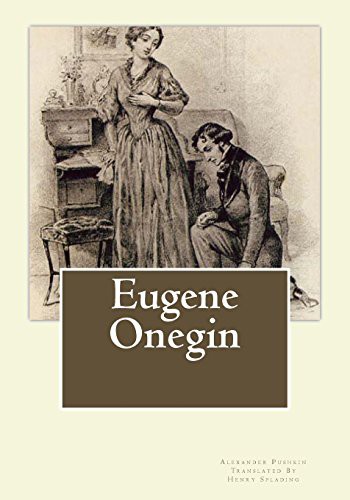
Alexander Pushkin · 1833
A novel in verse of miraculous lightness: the bored dandy, the bookish Tatyana, a duel, and a reversal that still stings. It fixed the Russian literary language and seeded the whole Golden Age; Russians know its stanzas by heart.
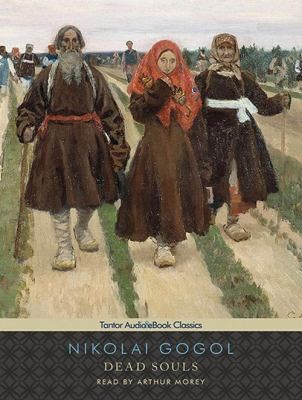
Nikolai Gogol · 1842
A smooth operator tours the provinces buying deceased serfs still on the census: Russia's founding comic epic. Gogol's grotesque portraits and swerves into lyric grief invented the tradition's signature blend: laughter with an abyss under it.
Ivan Turgenev · 1852
A gentleman hunter wanders the Russian countryside and, sketch by sketch, renders serfs as fully human where literature had only ever allowed them as property. Alexander II is said to have credited these quiet vignettes with hardening his resolve toward emancipation.
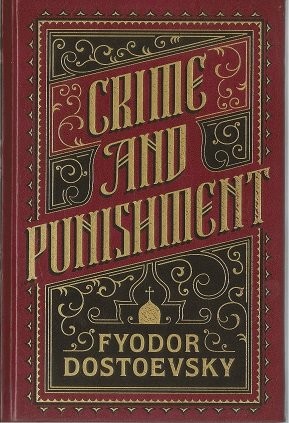
Fyodor Dostoevsky · 1866
A student murders a pawnbroker to prove himself extraordinary, then discovers what conscience actually is. The great psychological thriller of world literature: theory versus the human fact, played out in fevered St Petersburg.
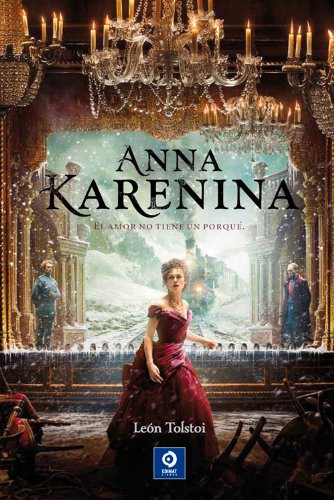
Leo Tolstoy · 1878
An adulterous passion and a searching marriage, braided into the supreme novel of family life. 'All happy families are alike...' opens fiction's most perfect big book: the one novelists themselves most often call the greatest.
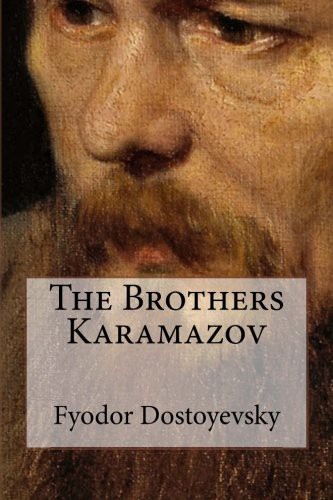
Fyodor Dostoevsky · 1880
Patricide, three brothers (sensualist, intellectual, saint), and the Grand Inquisitor's case against Christ. Dostoevsky's summa and, by many votes, the deepest novel ever written; he died two months after finishing it.
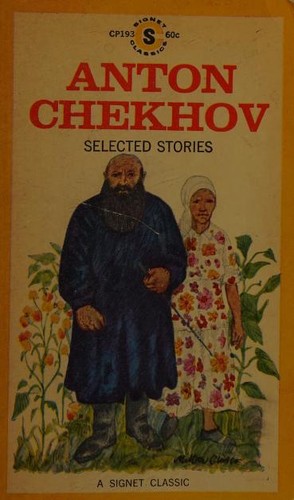
Anton Chekhov · 1899
'The Lady with the Dog,' 'Ward No. 6,' 'The Bishop': stories that end where others begin, trusting life over plot. The modern short story's constitution; nearly every practitioner since names him first.
Authors of this movement
 1799–1837Alexander PushkinRussiastart with Eugene Onegin
 1809–1852Nikolai GogolUkraine / Russiastart with Dead Souls
 1812–1891Ivan GoncharovRussiastart with Oblomov
 1814–1841Mikhail LermontovRussiastart with A Hero of Our Time
 1818–1883Ivan TurgenevRussiastart with Fathers and Sons
 1821–1881Fyodor DostoevskyRussiastart with Crime and Punishment
 1828–1910Leo TolstoyRussiastart with Anna Karenina
 1831–1895Nikolai LeskovRussiastart with Lady Macbeth of Mtsensk
 1860–1904Anton ChekhovRussiastart with Selected Stories