

Kenzaburō Ōe
Japan
Dense, coiling, self-interrogating sentences that circle back on their own guilt: intellectual weight carried with real physical anguish underneath.
Oe grew up in a remote village on Shikoku and came of age amid Japan's wartime indoctrination and its sudden postwar reversal: the gap between the two shaped his lifelong suspicion of official truth. He studied French literature at Tokyo University under a leading Sartre scholar and won the Akutagawa Prize at twenty-three for a novella about a captured Black American airman.
In 1963 his son Hikari was born with a severe brain hernia; the decision to let doctors operate, and the strange grace of the son's later gift for music, ran through decades of his fiction, from A Personal Matter to The Silent Cry, his densest novel of myth and family guilt. He also wrote Hiroshima Notes, nonfiction reportage on atomic bomb survivors that fixed his lifelong anti-nuclear activism.
He won the Nobel Prize in 1994 and, months later, refused Japan's Order of Culture, saying he recognized no authority higher than postwar democracy. He died in 2023.
Lines of influence
No descendants recorded, yet.
Their books in the atlas
- 1958
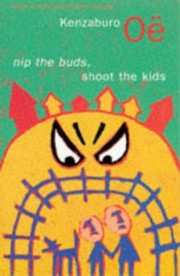 Nip the Buds, Shoot the KidsLvl 5war novel
 - 1964
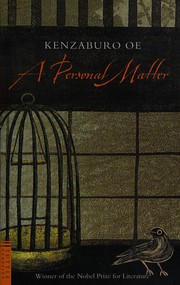 A Personal MatterLvl 5psychological novel
 - 1967
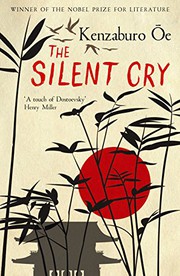 The Silent CryLvl 8psychological novel
 - 1983
 Rouse Up O Young Men of the New Age!Lvl 6psychological novel
 - 1990
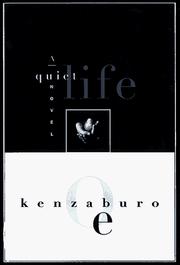 A Quiet LifeLvl 5psychological novel
Meanwhile, elsewhere
 b. 1933Cees NooteboomNetherlandsWestern Europe · Netherlands
 1930–2024Edna O'BrienIrelandWestern Europe · Ireland
 b. 1933Penelope LivelyEnglandWestern Europe · England
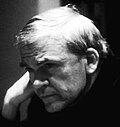 1929–2023Milan KunderaCzechia / FranceRussia & Eastern Europe · Czechia / France
 1933–2023Cormac McCarthyUSANorth America · USA
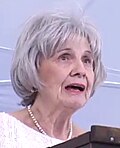 1931–2024Alice MunroCanadaNorth America · Canada
If you like Ōe, try
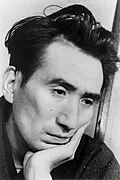 1909–1948Osamu DazaiJapanshared movement: The Japanese Postwar · kindred genres: psychological novel, autobiographical fiction · both write in Japanese
 1923–1996Endō ShūsakuJapanshared movement: The Japanese Postwar · kindred genres: psychological novel, historical fiction · both write in Japanese
 1925–1970Yukio MishimaJapanshared movement: The Japanese Postwar · kindred genres: psychological novel · both write in Japanese
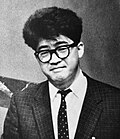 1924–1993Kōbō AbeJapanshared movement: The Japanese Postwar · kindred genres: psychological novel · both write in Japanese
 1905–1980Jean-Paul SartreFranceshaped Ōe · neighboring movements
 1886–1965Jun'ichirō TanizakiJapankindred genres: psychological novel, family saga · both write in Japanese · neighboring movements