
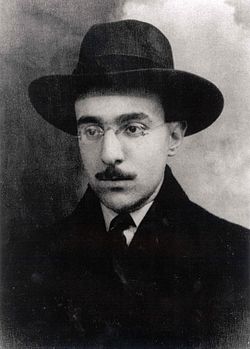
Fernando Pessoa
Portugal
Hypnotic and self-doubting, thought turning back on itself mid-sentence: prose that dissolves the self it describes into mood, weather, and reverie.
Pessoa was born in Lisbon and lost his father to tuberculosis at five; his mother remarried the Portuguese consul in Durban, and he grew up schooled in English on South Africa's coast before returning to Lisbon at seventeen. He never left the city again, earning his keep as a commercial translator of business correspondence while writing, by night, poetry under an accumulating cast of invented authors he called heteronyms: the pastoral Alberto Caeiro, the classicist Ricardo Reis, the futurist engineer Álvaro de Campos, each with a distinct biography and style.
He co-founded the modernist journal Orpheu in 1915 and published almost nothing else in his lifetime beyond one slim book of patriotic verse, Message (1934). A heavy drinker, he died in a Lisbon hospital in 1935 of cirrhosis, leaving behind a trunk stuffed with some twenty-five thousand unpublished manuscript pages, among them the notes for The Book of Disquiet, sorted and published only decades later.
Lines of influence
No ancestors recorded: a headwater.
Their books in the atlas
- 1934
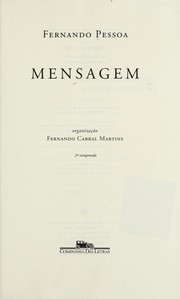 MessageLvl 7epic
 - 1982
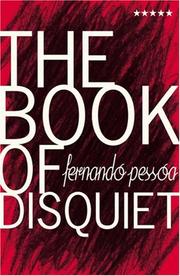 The Book of DisquietLvl 7philosophical novel
Meanwhile, elsewhere
 1884–1937Yevgeny ZamyatinRussiaRussia & Eastern Europe · Russia
 1870–1953Ivan BuninRussiaRussia & Eastern Europe · Russia
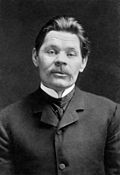 1868–1936Maxim GorkyRussiaRussia & Eastern Europe · Russia
 1862–1937Edith WhartonUSANorth America · USA
 1873–1947Willa CatherUnited StatesNorth America · United States
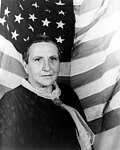 1874–1946Gertrude SteinUnited StatesNorth America · United States
If you like Pessoa, try
 1900–1976Eyvind JohnsonSwedenshared movement: High Modernism · kindred genres: epic, modernist · same region & era
 1943–2012Antonio TabucchiItalyshaped by Pessoa · neighboring movements
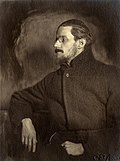 1882–1941James JoyceIrelandshared movement: High Modernism · kindred genres: modernist, epic · same region & era
 1877–1962Hermann HesseGermany / Switzerlandshared movement: High Modernism · kindred genres: philosophical novel, modernist · same region & era
 1875–1955Thomas MannGermanyshared movement: High Modernism · kindred genres: philosophical novel, epic · same region & era
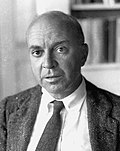 1896–1970John Dos PassosUSAkindred genres: epic, modernist · neighboring movements