
High Modernism
Joyce, Woolf, Proust, and Mann break the novel open and rebuild it around consciousness.
'Make it new.' Convinced that the realist novel could no longer render modern experience, the modernists moved the action inside: stream of consciousness, radical shifts in time, myth as scaffolding. Ulysses maps one Dublin day onto the Odyssey; Proust builds a cathedral out of involuntary memory; Woolf catches thought in flight.
This was difficulty with a purpose: an attempt to be truer to how life actually feels, moment by moment, than tidy plots allow. The modernists made the novel an art form as ambitious as any symphony, and every serious novelist since has had to decide what to do with their inheritance.
How to spot it on the page
- Stream of consciousness that follows thought's actual, unpunctuated drift
- A single day or a handful of hours stretched across hundreds of pages
- Myth used as scaffolding beneath an ordinary plot
- Radical time shifts, past and present interleaved mid-sentence
- Difficulty treated as fidelity to how a mind actually works, not decoration
- Multiple narrators or perspectives refracting the same events
What it left behind
The Second World War and its own exhaustion ended High Modernism as a going concern, but nothing after it could pretend interiority hadn't been invented. Woolf and Joyce's technical inheritance runs through Faulkner, the nouveau roman, and any contemporary novel that trusts a reader to sit inside a consciousness without a map: difficulty as respect, not obstacle.
Defining works
For a guided order with notes, follow the reading path →
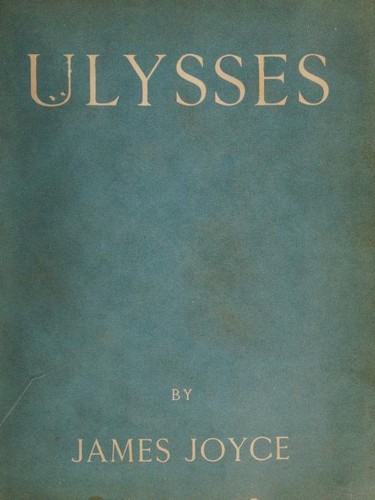
James Joyce · 1922
One Dublin day mapped onto the Odyssey, every chapter a different style, ending in Molly Bloom's unpunctuated yes. Banned, pirated, and worshipped: the summit of modernism and the novel other novels measure themselves against.
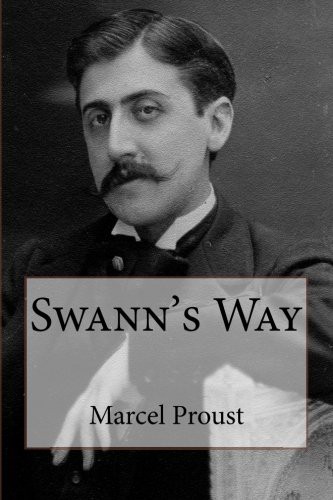
Marcel Proust · 1913
The gateway to In Search of Lost Time: the madeleine, Combray, and Swann's anatomized jealousy. Rejected by publishers (Proust paid for printing), it opens the twentieth century's supreme novel: memory itself made architecture.
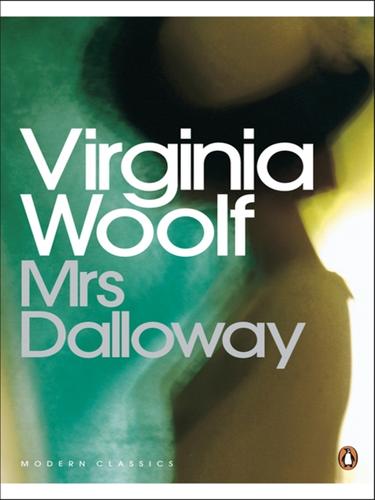
Virginia Woolf · 1925
One June day in London: a society hostess buying flowers, a shell-shocked veteran falling out of the world, consciousness streaming between them. Woolf's answer to Ulysses, and the most welcoming door into high modernism.
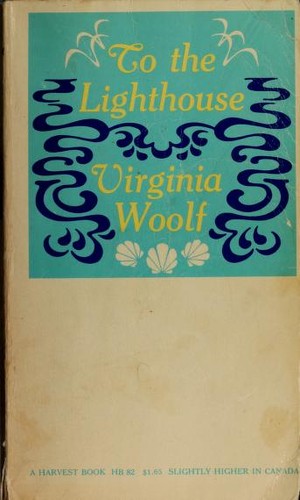
Virginia Woolf · 1927
A family summer, a ten-year gap in which time itself narrates, a postponed sail. Woolf's elegy for her parents is modernism's most moving performance: 'Time Passes' remains the boldest twenty pages in the English novel.
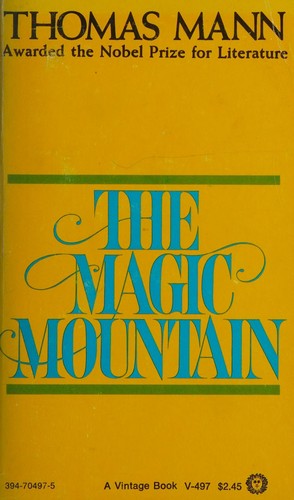
Thomas Mann · 1924
Seven years in an Alpine sanatorium where Europe's ideas (reason, romanticism, radicalism) argue over a young engineer's soul until the guns of 1914 end the seminar. The novel of ideas at its grandest.
Authors of this movement
 1857–1924Joseph ConradPoland / Englandstart with Heart of Darkness
 1861–1928Italo SvevoItalystart with Zeno's Conscience
 1869–1951André GideFrancestart with The Immoralist
 1871–1922Marcel ProustFrancestart with Swann's Way
 1873–1939Ford Madox FordEnglandstart with The Good Soldier
 1875–1955Thomas MannGermanystart with Death in Venice
 1877–1962Hermann HesseGermany / Switzerlandstart with Siddhartha
 1878–1957Alfred DöblinGermanystart with Berlin Alexanderplatz
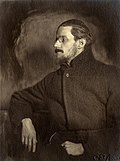 1882–1941James JoyceIrelandstart with Dubliners
 1882–1941Virginia WoolfEnglandstart with Mrs Dalloway
 1885–1930D. H. LawrenceEnglandstart with Sons and Lovers
 1888–1935Fernando PessoaPortugalstart with The Book of Disquiet
 1892–1982Djuna BarnesUnited Statesstart with Nightwood
 1897–1962William FaulknerUSAstart with As I Lay Dying
 1900–1976Eyvind JohnsonSwedenstart with Return to Ithaca
 1912–1990Patrick WhiteAustraliastart with Voss