
The Lost Generation
American expatriates in Paris strip English prose to the bone.
'You are all a lost generation,' Gertrude Stein told the young Americans who came to Paris after the war. Out of that displacement came a new American prose: Hemingway's radical economy (the iceberg theory, meaning submerged beneath simple declarative sentences) and Fitzgerald's lyric elegies for the Jazz Age.
The Great Gatsby and The Sun Also Rises are both books about glamour masking damage, written in styles that changed everything after them. Hemingway's plainness became the default sound of American fiction for half a century.
How to spot it on the page
- Short, declarative sentences with the emotional weather submerged beneath them
- Expatriate cafés, bullfights, and parties standing in for a whole lost order
- Dialogue that carries more than it says, wounds left unspoken
- Glamour staged deliberately to mask the damage underneath
- A narrator adjacent to the action, watching more than participating
- Elegy for a world the war had already destroyed before the novel opens
What it left behind
Paris emptied out by the mid-1930s as the expatriates scattered home or into the coming war, but Hemingway's plain style became American prose's default setting for the next fifty years: Carver, Didion, and half of contemporary minimalism are still writing in the shadow of the iceberg theory.
Defining works
For a guided order with notes, follow the reading path →
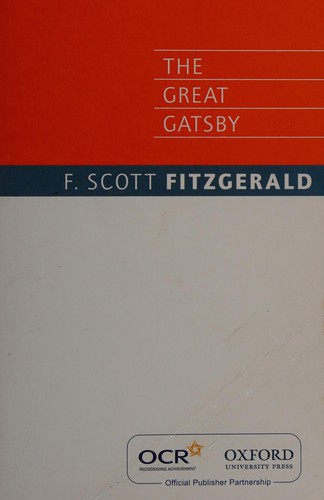
F. Scott Fitzgerald · 1925
A bootlegger's mansion, a green light, and the American dream audited in prose that never wastes a syllable. It sold modestly and died with its author, then became the most perfect short novel in American literature.
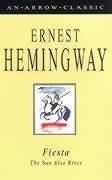
Ernest Hemingway · 1926
Expatriates drift from Paris bars to Pamplona's bullring, wounded in ways nobody names. The iceberg style arrives fully formed, and American prose spends the next fifty years sounding like it.
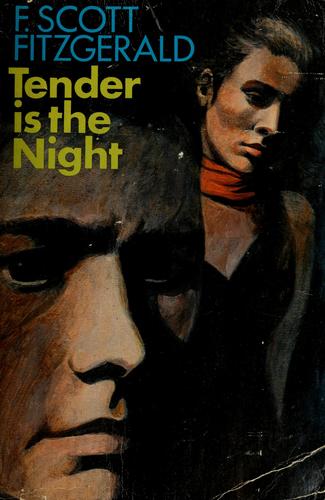
F. Scott Fitzgerald · 1934
A brilliant psychiatrist dissolves into his marriage on the Riviera: glamour as slow hemorrhage. Fitzgerald's most personal and wounded novel; many who love Gatsby most come to love this one more.
Authors of this movement
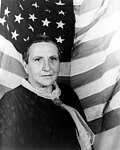 1874–1946Gertrude SteinUnited Statesstart with The Autobiography of Alice B. Toklas
 1891–1980Henry MillerUnited Statesstart with Tropic of Cancer
 1896–1940F. Scott FitzgeraldUSAstart with The Great Gatsby
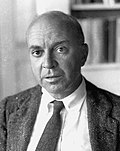 1896–1970John Dos PassosUSAstart with Manhattan Transfer
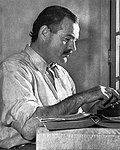 1899–1961Ernest HemingwayUSAstart with The Sun Also Rises