
The Brazilian Modern Novel
Amado, Ramos, de Queiroz: Brazil's regional and social novel comes of age.
Working alongside but distinct from the Spanish-language Boom, Brazilian novelists built their own tradition out of the sertão's drought, the sugar coast's plantations, and the northeast's poverty. Graciliano Ramos's Barren Lives renders a family's flight from drought in prose as parched as the land itself.
Jorge Amado brought Bahia to the world in warmer, more sensuous registers (Gabriela, Dona Flor) while Rachel de Queiroz gave the drought novel a woman's eye. João Guimarães Rosa then rebuilt language itself around the sertão: Grande Sertão: Veredas (1956) invents a whole backlands idiom, doing for Brazil's interior what Joyce did for Dublin. Clarice Lispector closed the era from the opposite direction, tracing interior, near-mystical consciousness until The Hour of the Star (1977) distilled it into one starving typist's last afternoon.
How to spot it on the page
- Drought and the sertão's physical hardship rendered in prose as spare as the landscape
- A family's wordless flight or migration carrying the entire narrative's emotional weight
- Bahia's sugar coast and street life rendered in warm, sensuous, almost culinary detail
- Regional dialect and Afro-Brazilian religious practice folded into the texture without exoticizing gloss
- A woman's domestic vantage point reframing the drought novel's usual masculine focus
- Poverty and hunger depicted through physical sensation rather than statistic or argument
What it left behind
Brazilian regionalism's first act, distinct from the Spanish-language Boom next door, gave way to a second: Guimarães Rosa's invented backlands language and Lispector's interior mysticism carried the tradition from documentary drought narrative to the summit of Brazilian modernism. Ramos's parched prose, Amado's sensuous Bahia, Rosa's linguistic invention, and Lispector's near-mystical interiority together set the poles Brazilian fiction still works between, and gave Portuguese-language literature outside Portugal its first true international audience.
Defining works
For a guided order with notes, follow the reading path →
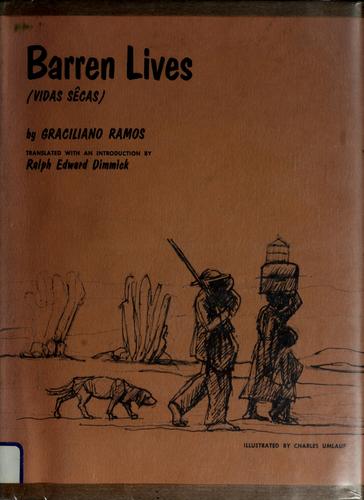
Graciliano Ramos · 1938
A family flees the Brazilian sertão's catastrophic drought in prose pared down to match the parched land itself. Social realism at its most formally exacting, and a landmark of Brazilian regionalist fiction.

Jorge Amado · 1958
A runaway girl's romance with a Syrian shopkeeper unfolds amid a Bahian cacao boomtown's modernization. Brazilian regionalism at its most globally beloved, warm and comic where much of the tradition is bleak.
Rachel de Queiroz · 1930
A family is driven from their land by the catastrophic drought of 1915, rendered with an unsentimental, exacting eye. Published when its author was nineteen, and a founding text of the Brazilian drought novel.
João Guimarães Rosa · 1956
A retired gunman pours out, in one breathless monologue, his war across the Brazilian sertão and a possible pact with the devil. Guimarães Rosa invents a whole language: a linguistic universe unto itself.

Clarice Lispector · 1977
A poor typist from the Northeast who barely registers her own existence, and a narrator who agonizes over the right to tell her. Lispector's last book: compassion and metaphysics compressed to a diamond.
Authors of this movement
 1892–1953Graciliano RamosBrazilstart with Barren Lives
 1908–1967João Guimarães RosaBrazilstart with The Devil to Pay in the Backlands
 1910–2003Rachel de QueirozBrazilstart with The Fifteen
 1912–2001Jorge AmadoBrazilstart with Gabriela, Clove and Cinnamon
 1920–1977Clarice LispectorBrazilstart with The Hour of the Star