
The Southern Gothic
Faulkner and O'Connor find the grotesque and the sacred in the ruined American South.
The defeated, haunted American South gave modernism its most fertile American soil. Faulkner invented Yoknapatawpha County and told its interlocking histories in torrential, time-shattered prose: slavery's curse working through generations like a biblical judgment.
Flannery O'Connor pared the mode down to razor-edged short stories where grace arrives by way of violence and freaks tell the truth. The Southern Gothic's mixture of decay, comedy, and theological seriousness echoes everywhere from García Márquez (a devoted Faulkner reader) to Toni Morrison and Cormac McCarthy.
How to spot it on the page
- Sentences that run for pages, doubling back on themselves mid-thought
- Grotesque or damaged characters who see more clearly than anyone around them
- Family curses and inherited guilt working across generations
- Violence arriving as the unexpected vehicle for grace or revelation
- A ruined plantation or small town standing in for the region's whole history
- Black comedy sitting right beside real horror without warning
What it left behind
Faulkner's county emptied of new material by the time O'Connor died in 1964, but the mode migrated everywhere the past won't stay buried. García Márquez read Faulkner obsessively before writing Macondo; Morrison and Cormac McCarthy inherited the torrential sentence and the theological stakes; the label now covers any American fiction where decay, comedy, and grace share a page.
Defining works
For a guided order with notes, follow the reading path →
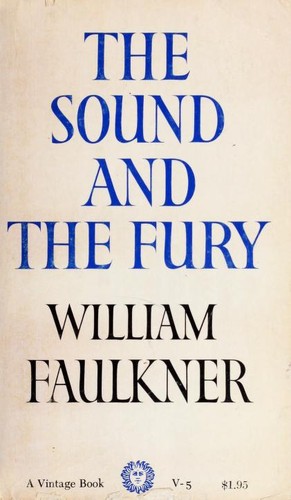
William Faulkner · 1929
The Compson family's fall told four times, first through the mind of Benjy, to whom time does not exist. American modernism's boldest leap; Faulkner called it his 'most splendid failure,' and wrote it for love.
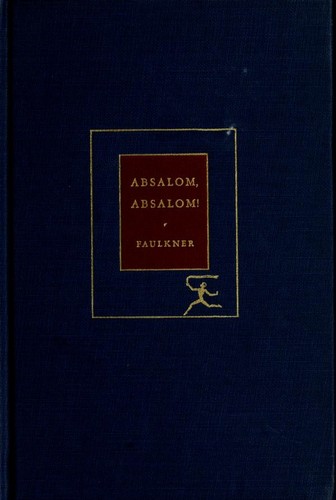
William Faulkner · 1936
Thomas Sutpen's design (a plantation dynasty willed out of nothing), reconstructed by narrators who weren't there, decades later, in a Harvard dorm. The South's original sin as epistemology: the great novel about how history is told.

Flannery O'Connor · 1955
A family's Georgia vacation takes a wrong turn onto a dirt road and into the path of an escaped convict called The Misfit. The title story of the fiercest collection in American literature: comedy and theology sharing one trigger.
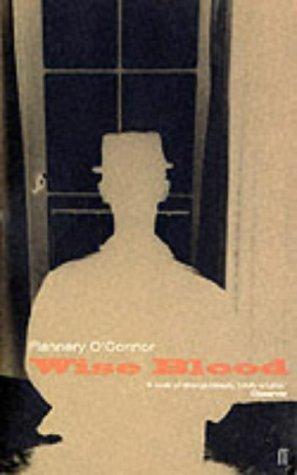
Flannery O'Connor · 1952
Hazel Motes founds the Church Without Christ and preaches it from the hood of a rat-colored car. O'Connor's first novel: backwoods nihilism versus a God who will not let go, grotesque, hilarious, dead serious.
Authors of this movement
 1897–1962William FaulknerUSAstart with As I Lay Dying
 1909–2001Eudora WeltyUnited Statesstart with The Optimist's Daughter
 1917–1967Carson McCullersUnited Statesstart with The Heart Is a Lonely Hunter
 1925–1964Flannery O'ConnorUSAstart with A Good Man Is Hard to Find
 1933–2023Cormac McCarthyUSAstart with All the Pretty Horses
 1937–1969John Kennedy TooleUnited Statesstart with A Confederacy of Dunces
 b. 1977Jesmyn WardUnited Statesstart with Sing, Unburied, Sing