
Mitteleuropa
Kafka, Musil, Schulz: the Central European imagination between empires and catastrophes.
In the cafés of Prague, Vienna, and Galicia, writers of the dissolving Habsburg world produced a literature like no other: bureaucratic nightmare rendered with total realism (Kafka), essayistic novels of ideas (Musil), small-town streets transfigured into myth (Schulz). Irony was their native language; catastrophe, their weather.
History gave the movement its dark completion: Schulz murdered by the Gestapo, Zweig in exile despairing, the region's Jewish civilization destroyed. Its afterlife runs through Kundera, Hrabal, and Sebald: the conviction that the absurd is not fantasy but the most accurate available description of modern life.
How to spot it on the page
- Bureaucracy rendered with total deadpan realism, however impossible the situation
- Provincial streets and towns that quietly transform into private myth
- Essayistic digressions that pause the plot to think
- Irony as the default register, even when describing catastrophe
- Empire and its dissolution felt as a permanent, low-grade vertigo
- Protagonists processed by systems they can never fully see
What it left behind
History finished the movement for it: the Holocaust and Soviet occupation physically destroyed the world Mitteleuropa described. But its bureaucratic dread became the century's default metaphor: Kundera and Hrabal carried its irony forward under Communism, and Sebald's haunted essay-novels are its direct, elegiac descendant, still walking the same erased streets.
Defining works
For a guided order with notes, follow the reading path →

Franz Kafka · 1925
Josef K. is arrested one morning without having done anything wrong, and the proceedings devour him. Published against Kafka's dying wish, it became the century's manual: 'Kafkaesque' is the word because this book exists.
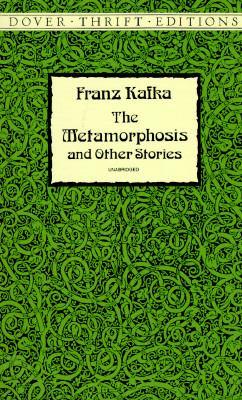
Franz Kafka · 1915
Gregor Samsa wakes as a monstrous insect, and the story's horror is how quickly everyone adjusts. The twentieth century's most famous opening sentence, and the parable every era rereads as its own.
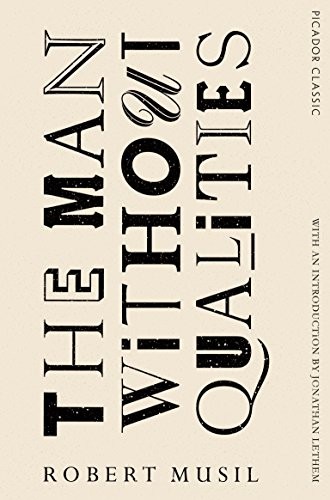
Robert Musil · 1930
Vienna, 1913: a committee plans an imperial jubilee that history will cancel. Musil's unfinished giant treats ideas the way Proust treats memory: the great essayistic novel, and the wittiest autopsy of a civilization ever left open on the table.
Bruno Schulz · 1934
A Galician shop town transfigured: Father breeds birds in the attic and argues with tailors' dummies about matter's suffering. Prose as dense as poetry: one of the two slim books by which Schulz outlived his murderers.
Joseph Roth · 1932
Three generations of the Trotta family rise and fall with the Habsburg empire, to the beat of Strauss's march. The great elegy for Mitteleuropa: an empire's dissolution measured in one loyal family's decline.
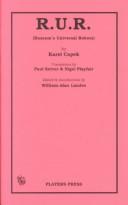
Karel Čapek · 1920
Rossum's factory-built artificial workers, humanity's tireless replacement labor, learn to feel and rise to exterminate their makers. Čapek's play coined the word 'robot' and, before science fiction had a name for itself, wrote one of its founding catastrophes.
Authors of this movement
 1880–1942Robert MusilAustriastart with Young Törless
 1881–1942Stefan ZweigAustriastart with Chess Story
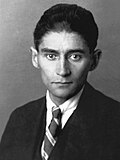 1883–1924Franz KafkaCzechia (Bohemia)start with The Metamorphosis
 1883–1923Jaroslav HašekCzechoslovakiastart with The Good Soldier Švejk
 1890–1938Karel ČapekCzechoslovakiastart with War with the Newts
 1892–1942Bruno SchulzPoland (Galicia)start with The Street of Crocodiles
 1894–1939Joseph RothAustria (Galicia)start with The Radetzky March
 1900–1989Sándor MáraiHungarystart with Embers
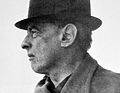 1904–1969Witold GombrowiczPolandstart with Ferdydurke
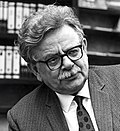 1905–1994Elias CanettiBulgaria / UKstart with Auto-da-Fé
 1914–1997Bohumil HrabalCzechiastart with Too Loud a Solitude
 1917–2007Magda SzabóHungarystart with The Door
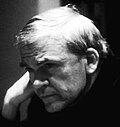 1929–2023Milan KunderaCzechia / Francestart with The Unbearable Lightness of Being
 1935–1989Danilo KišYugoslavia / Serbiastart with A Tomb for Boris Davidovich
 b. 1942Péter NádasHungarystart with A Book of Memories
 1950–2016Péter EsterházyHungarystart with Celestial Harmonies