

Virginia Woolf
England
A shimmering, associative flow that slips between minds mid-sentence: rhythm and image doing the work that plot does in other novelists.
Woolf's mother died when she was thirteen, triggering the first of many mental breakdowns that recurred throughout her life, worsened by the sexual abuse she later said she suffered from two half-brothers. She married the writer and publisher Leonard Woolf in 1912, and together in 1917 they founded the Hogarth Press, printing her own experimental novels alongside Eliot, Katherine Mansfield, and the first English translations of Freud.
Mrs Dalloway (1925) and To the Lighthouse (1927) compressed whole lives into single days, dissolving conventional plot into the movement of thought itself. She kept writing and lecturing, A Room of One's Own (1929) arguing bluntly for women's material independence, while illness never fully released its grip. In 1941, fearing another breakdown as war closed in, she filled her coat pockets with stones and drowned herself in the River Ouse.
Lines of influence
Their books in the atlas
- 1925
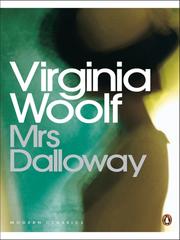 Mrs DallowayLvl 7modernist
 - 1927
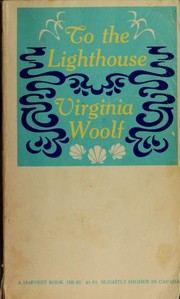 To the LighthouseLvl 7modernist
 - 1928
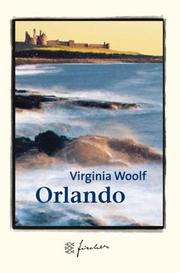 OrlandoLvl 5speculative fiction
 - 1929
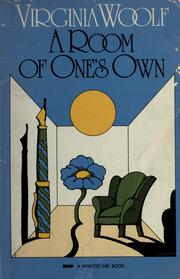 A Room of One's OwnLvl 3essay
 - 1931
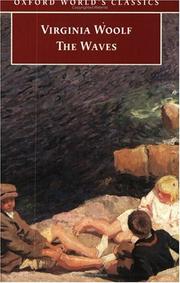 The WavesLvl 8modernist
Meanwhile, elsewhere
 1870–1953Ivan BuninRussiaRussia & Eastern Europe · Russia
 1873–1947Willa CatherUnited StatesNorth America · United States
 1874–1946Gertrude SteinUnited StatesNorth America · United States
 1871–1945Theodore DreiserUnited StatesNorth America · United States
 1878–1968Upton SinclairUnited StatesNorth America · United States
 1876–1941Sherwood AndersonUSANorth America · USA
If you like Woolf, try
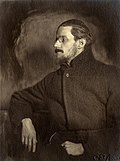 1882–1941James JoyceIrelandshaped Woolf · shared movement: High Modernism · both shaped McBride
 1871–1922Marcel ProustFranceshaped Woolf · shared movement: High Modernism · kindred genres: modernist, psychological novel
 1897–1962William FaulknerUSAshared movement: High Modernism · both shaped by Joyce · both shaped Morrisonb. 1976Eimear McBrideIrelandshaped by Woolf · both shaped by Joyce · kindred genres: modernist, psychological novel
 1927–2014Gabriel García MárquezColombiashaped by Woolf · both shaped Morrison · neighboring movements
 1861–1928Italo SvevoItalyshared movement: High Modernism · both shaped by Joyce · kindred genres: psychological novel, modernist