

Arundhati Roy
India
Lush and playful, capitalizing and inventing words like a child narrating; sensuous detail piling up until a single image carries the weight of grief.
Roy trained as an architect in Delhi before drifting into film work, co-writing and acting in low-budget movies through her twenties while drafting the novel that would become The God of Small Things. Published in 1997, it won the Booker Prize on the strength of its backwards-looping structure and invented, child's-eye language, telling of Kerala twins and a forbidden love destroyed by caste's 'Love Laws.'
She did not publish a second novel for twenty years, turning instead to essays and activism: opposing the Narmada dams, nuclear weapons testing, and India's Kashmir policy in prose as combative as her fiction is lyrical, and facing contempt-of-court charges for some of it. The Ministry of Utmost Happiness (2017) finally returned her to fiction, gathering a hijra, a resistance fighter, and modern India's outcasts into one sprawling chorus.
She continues to divide her time between fiction and political writing from Delhi.
Lines of influence
No descendants recorded, yet.
Their books in the atlas
- 1997
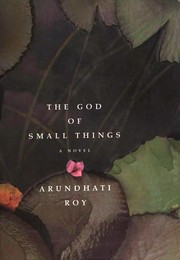 The God of Small ThingsLvl 7family saga
 - 2017
 The Ministry of Utmost HappinessLvl 7political novel
Meanwhile, elsewhere
 b. 1954Kazuo IshiguroEngland / JapanWestern Europe · England / Japan
 b. 1940Annie ErnauxFranceWestern Europe · France
 b. 1948Ian McEwanEnglandWestern Europe · England
 b. 1946Julian BarnesEnglandWestern Europe · England
 b. 1953Herta MüllerGermany / RomaniaWestern Europe · Germany / Romania
If you like Roy, try
 b. 1947Salman RushdieIndia / Englandshaped Roy · shared movement: Postcolonial Literatures · kindred genres: postmodern, family saga
 b. 1970Marlon JamesJamaicashared movement: Postcolonial Literatures · both shaped by Faulkner · kindred genres: postmodern, political novel
 b. 1957Geetanjali ShreeIndiashared movement: Postcolonial Literatures · kindred genres: family saga, postmodern · same region & erab. 1952Rohinton MistryIndia / Canadashared movement: Postcolonial Literatures · kindred genres: family saga, political novel · same region & era
 1897–1962William FaulknerUSAshaped Roy · kindred genres: family saga, tragedy
 b. 1975Zadie SmithEnglandboth shaped by Rushdie · kindred genres: family saga · neighboring movements