
Autofiction & the Self
The wall between novel and memoir dissolves; the writing self becomes the subject.
Autofiction takes the author's own life as raw material but refuses the memoir's pact of accuracy: it is autobiography admitting it is also invention. Annie Ernaux perfected a cold, sociological 'I' that turns private shame (an abortion, a father's grocery, a jealous affair) into collective document. Tove Ditlevsen had done something adjacent decades earlier, narrating addiction and art with terrible clarity.
In the new century the mode became a wave: Karl Ove Knausgaard's six-volume My Struggle recorded a life at exhausting, hypnotic length, while Rachel Cusk emptied the narrator almost entirely, building novels from what other people say to a woman who barely speaks. The self, it turns out, is the last frontier the novel had left to annex.
How to spot it on the page
- A narrating 'I' bearing the author's own name and documented biography
- Private shame (an abortion, an addiction, an affair) presented as sociological evidence, not confession for its own sake
- Exhaustive, near-real-time recording of ordinary days, meals, and errands
- A narrator who empties out, letting other people's speech fill the page instead
- Photographs, dates, and documentary certainty standing where a novelist would usually invent
- No plot engineered: a life simply proceeds, and the writing tracks it
What it left behind
Autofiction never really closes down: it dissolved the memoir/novel border it was built to test and kept the border gone. Ernaux's sociological 'I' and Knausgaard's exhaustive record between them made the self-as-subject the default mode of ambitious literary fiction after 2000; Cusk's emptied narrator pushed the logic further, proving even the absence of self could still be the self's most exact portrait.
Defining works
For a guided order with notes, follow the reading path →
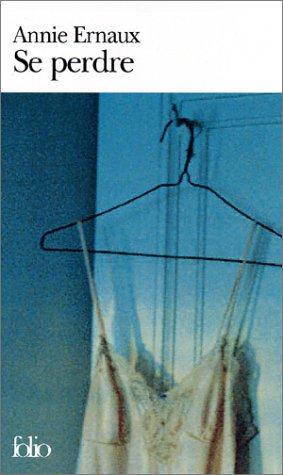
Annie Ernaux · 2008
Six decades of French life told with no 'I' (only 'we' and 'she') through meals, songs, and photographs. Autofiction's masterpiece: a collective memoir that turns one ordinary woman into her whole era.
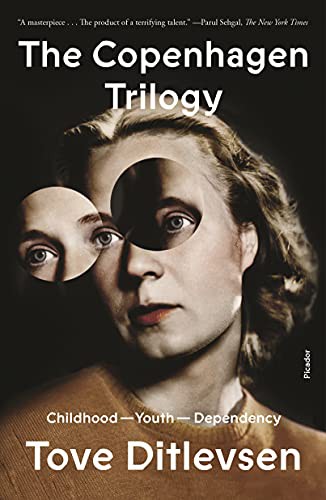
Tove Ditlevsen · 1971
Childhood, Youth, and Dependency: a working-class Copenhagen girl becomes a poet and an addict, told in cool, luminous prose. Autofiction decades before the term: the making of a writer and the unmaking of a woman.
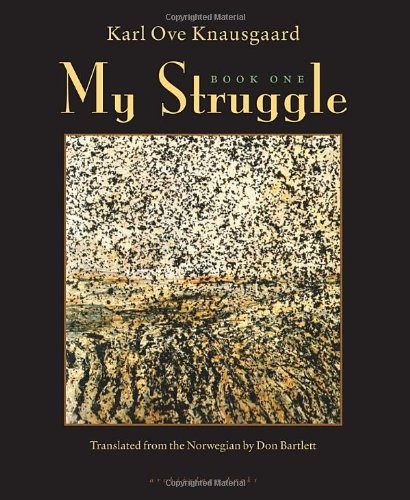
Karl Ove Knausgaard · 2009
Six volumes of one ordinary life (childhood, a father's death, marriage, small daily humiliations) recorded at obsessive, hypnotic length. Knausgaard's gamble that total attention could make the unremarkable unputdownable.
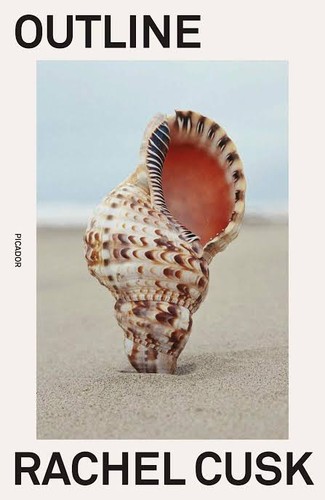
Rachel Cusk · 2014
A writer teaching in Athens barely speaks; the novel is built almost entirely from what others confess to her. Cusk empties the narrator to near-transparency: character rendered as negative space.


