

Orhan Pamuk
Turkey
Ornate and essayistic, voices and centuries interleaved with painterly digression: prose as interested in ideas about seeing as in the story itself.
Pamuk trained first as an architect and briefly as a journalist before abandoning both to write fiction full time in his early twenties, living for years off his family's declining fortune while producing the historical and modernist novels that slowly built his reputation at home and then abroad. He set nearly all his fiction in Istanbul, the city his family had lived in for generations.
My Name Is Red (1998), a murder mystery narrated in rotating voices (including a corpse and a coin) set among sixteenth-century Ottoman miniaturists debating whether Western-style perspective is heresy, carried him to international prominence and, in 2006, the Nobel Prize, the first awarded to a Turkish writer. Snow (2002) took on headscarf politics and Islamist violence in a snowbound border town with similar directness.
In 2005 he faced criminal prosecution in Turkey for 'insulting Turkishness' after publicly discussing the Armenian genocide and Kurdish deaths, a charge eventually dropped under international pressure. He has continued writing and teaching, dividing time between Istanbul and New York.
Lines of influence
Their books in the atlas
- 1985
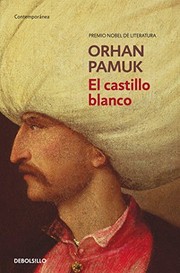 The White CastleLvl 5historical fiction
 - 1990
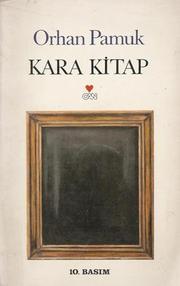 The Black BookLvl 8postmodern
 - 1998
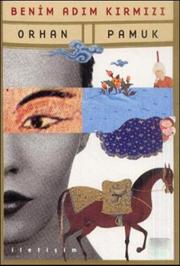 My Name Is RedLvl 7historical fiction
 - 2002
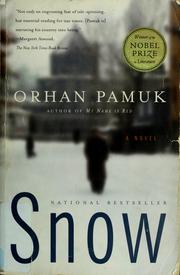 SnowLvl 6political novel
 - 2008
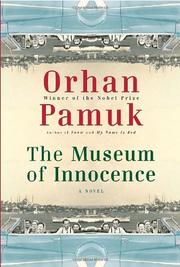 The Museum of InnocenceLvl 6psychological novel
Meanwhile, elsewhere
 b. 1940Annie ErnauxFranceWestern Europe · France
 b. 1948Ian McEwanEnglandWestern Europe · England
 b. 1946Julian BarnesEnglandWestern Europe · England
 b. 1944Bernhard SchlinkGermanyWestern Europe · Germany
 b. 1943Pat BarkerEnglandWestern Europe · England
 b. 1945John BanvilleIrelandWestern Europe · Ireland
If you like Pamuk, try
 b. 1971Elif ShafakTurkey / UKshaped by Pamuk · shared movement: Contemporary World Fiction · kindred genres: historical fiction, psychological novel
 1923–1985Italo CalvinoItalyshaped Pamuk · shared movement: Contemporary World Fiction · both shaped by Borges
 b. 1940J. M. CoetzeeSouth Africa / Australiashared movement: Contemporary World Fiction · both shaped by Dostoevsky · kindred genres: psychological novel, philosophical novel
 b. 1973Hernán DiazArgentina / United Statesshared movement: Contemporary World Fiction · both shaped by Borges · kindred genres: psychological novel, postmodern
 1821–1881Fyodor DostoevskyRussiashaped Pamuk · kindred genres: psychological novel, crime & noir
 1899–1986Jorge Luis BorgesArgentinashaped Pamuk · kindred genres: postmodern, philosophical novel