
The Jewish American Novel
Bellow, Malamud, Roth, and Singer make the immigrant sons' voice the sound of the postwar American novel.
Saul Bellow's The Adventures of Augie March opens, 'I am an American, Chicago born,' and the declaration is the whole program: immigrant sons claiming the country's language on their own loud, digressive, intellectually restless terms. Bellow fused street speech with European high culture in one sentence, a mode he pushed further in Herzog's unmailed letters to the living and the dead. Bernard Malamud worked in the opposite register, moral fables (The Fixer chief among them) where suffering is rendered with a Talmudic austerity, guilt and grace argued out like case law.
Philip Roth took the confessional furthest into comedy and scandal: Portnoy's Complaint delivers a psychoanalytic monologue of guilt and desire so unfiltered it got the book banned in several countries. Isaac Bashevis Singer, writing in Yiddish even after the world that spoke it was murdered, carried its ghosts, demons, and moral argument into English translation, and won the Nobel for keeping a dead language's soul alive on the page. What unites them all is a transplanted inheritance: Dostoevsky's arguing souls relocated from Petersburg to Chicago and Newark, wearing American clothes.
How to spot it on the page
- Immigrant-son narrators claiming America's language on their own loud, digressive terms
- Street speech fused with European high culture in the same sentence
- Guilt, desire, and moral argument delivered as confessional monologue, unfiltered
- Talmudic or case-law rigor applied to suffering and moral responsibility
- Yiddish's ghosts, demons, and folk cosmology carried intact into English
- A vanished old-world inheritance (Petersburg, the shtetl) transplanted into Chicago or Newark
What it left behind
By 2000 the specifically immigrant urgency had faded as its writers' children assimilated fully into American letters, but the voice they built, loud, digressive, self-interrogating, became the postwar American novel's default instrument. Roth's unfiltered confession runs straight into autofiction's exposed 'I,' and Bellow's fusion of street and intellect still shapes any American novel that thinks out loud on the page.
Defining works
For a guided order with notes, follow the reading path →
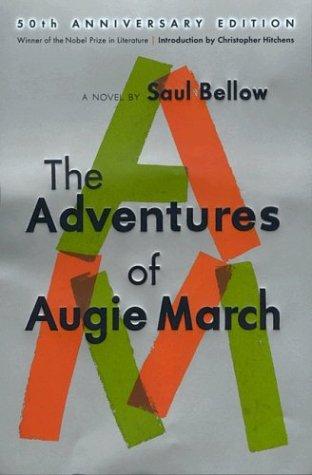
Saul Bellow · 1953
'I am an American, Chicago born,' and the American novel got a new voice: torrential, Yiddish-inflected, omnivorous. Bellow's picaresque broke Hemingway's spell and licensed exuberance again.
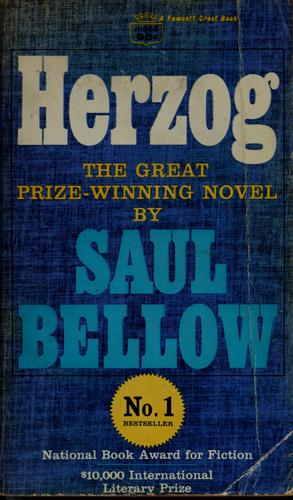
Saul Bellow · 1964
A twice-divorced professor writes unsent letters (to Nietzsche, Eisenhower, God) while his life burns down. The postwar novel of consciousness at its funniest and most humane; a bestseller about a man thinking.
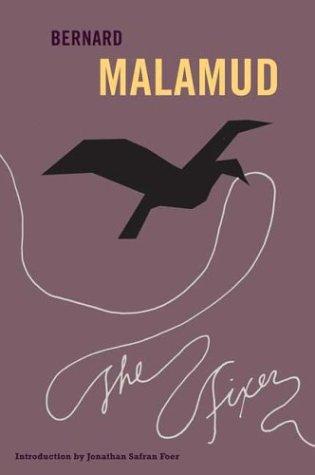
Bernard Malamud · 1966
A Jewish handyman in czarist Russia is imprisoned on a false blood-libel charge and endures years of degradation without confessing. Malamud's Pulitzer-winning parable of injustice and endurance.
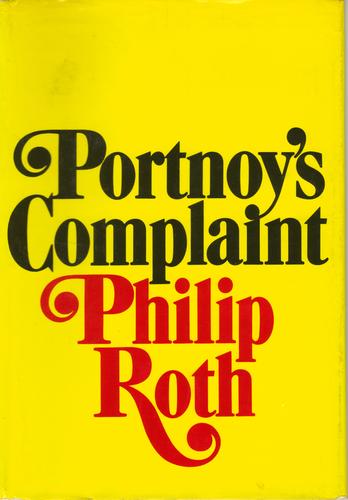
Philip Roth · 1969
One long howl from the analyst's couch: Jewish sonhood, desire, and guilt with every filter removed. The scandal that made Roth famous and the monologue that changed what American fiction was allowed to say.

Isaac Bashevis Singer · 1972
A Holocaust survivor in postwar Brooklyn juggles a wife, a mistress, and a tangle of wartime secrets he can no longer keep straight: comedy and trauma sharing the same cramped apartment. Singer's bleakest comic novel finds absurdity inseparable from grief.
Authors of this movement
 1902–1991Isaac Bashevis SingerPoland / United Statesstart with The Magician of Lublin
 1914–1986Bernard MalamudUnited Statesstart with The Assistant
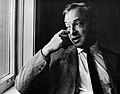 1915–2005Saul BellowCanada / USAstart with Herzog
 1923–2007Norman MailerUnited Statesstart with The Naked and the Dead
 1933–2018Philip RothUSAstart with Portnoy's Complaint