
Existentialism & the Absurd
Camus, Sartre, and Beckett make fiction from a universe without given meaning.
With God dead and Europe in ruins, the Paris existentialists asked the only question left: how to live when existence precedes essence and nothing is given. Their novels are philosophical experiments: Sartre's Roquentin nauseated by sheer being, Camus's Meursault condemned less for murder than for refusing to pretend.
Beckett took the logic to its comic, desolate end: tramps waiting, narrators who can't go on and go on. Kafka was their acknowledged precursor. The movement's paradox is that books about meaninglessness became some of the most meaningful, most-read novels of the century.
How to spot it on the page
- A protagonist confronted with the sheer, meaningless fact of existing
- Philosophical argument staged as plot rather than explained in essay
- Flat, affectless narration even at moments of crisis or death
- Repetition and waiting that go nowhere, on purpose
- Institutions (courts, hospitals, bureaucracies) that judge by rules nobody can name
- Comedy played completely straight against real despair
What it left behind
Existentialism as a Paris scene dissolved by the 1960s (Sartre and Camus fell out, the café moment passed) but the absurd never left literary fiction's toolkit. Beckett's tramps, Camus's Meursault, and Kafka before them set the template for every deadpan narrator since who describes catastrophe without raising their voice, from Ishiguro's butlers to Ferrante's Naples.
Defining works
For a guided order with notes, follow the reading path →
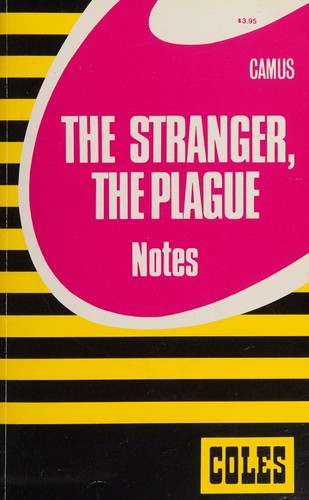
Albert Camus · 1942
Meursault kills a man on an Algerian beach and is condemned, above all, for not weeping at his mother's funeral. The century's most-read French novel: the absurd rendered in sentences of desert clarity.
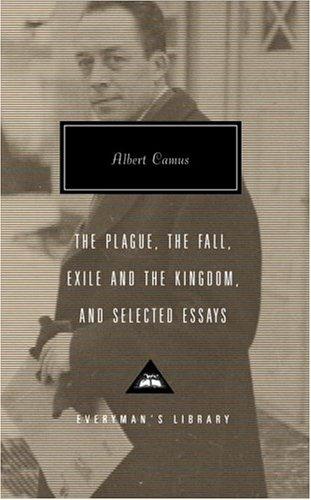
Albert Camus · 1947
Quarantined Oran versus the pestilence: an allegory of Occupation and of every collective catastrophe since, rediscovered by millions in 2020. Camus's answer to the absurd: 'the only way to fight the plague is decency.'
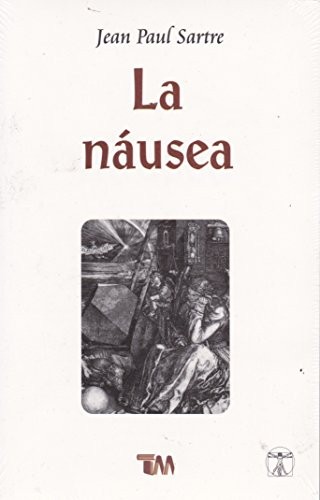
Jean-Paul Sartre · 1938
Roquentin, alone in a provincial town, is overcome by the sheer gratuitous existence of things: a chestnut root becomes a metaphysical event. Existentialism's founding novel: philosophy made visceral.
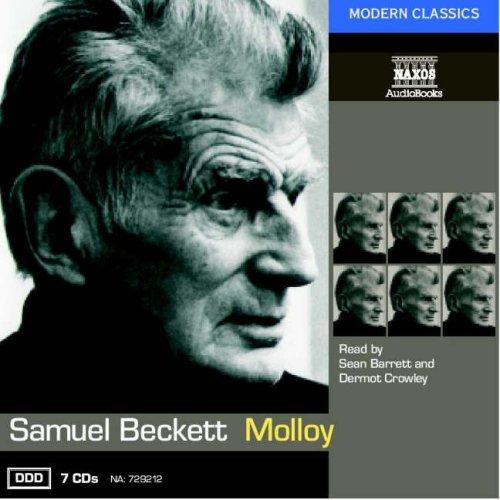
Samuel Beckett · 1951
Two crawling quests (a vagrant seeking his mother, an agent seeking the vagrant) dissolving into pure voice. The first of the Trilogy and the purest dose of Beckett's comic desolation: the novel reduced to 'I can't go on, I'll go on.'
Authors of this movement
 1891–1974Pär LagerkvistSwedenstart with Barabbas
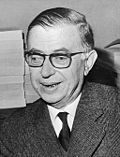 1905–1980Jean-Paul SartreFrancestart with Nausea
 1906–1989Samuel BeckettIreland / Francestart with Molloy
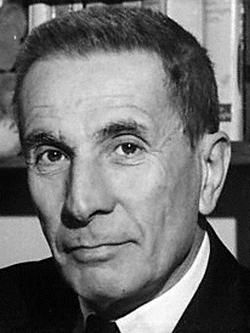 1906–1972Dino BuzzatiItalystart with The Tartar Steppe
 1908–1986Simone de BeauvoirFrancestart with The Mandarins
 1911–1991Max FrischSwitzerlandstart with Homo Faber
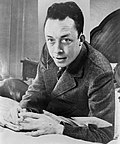 1913–1960Albert CamusAlgeria / Francestart with The Stranger