
The Latin American Boom
García Márquez, Cortázar, Vargas Llosa: a continent seizes the world's imagination.
In one astonishing decade, Latin American fiction went from peripheral to central. Borges had shown the way with metaphysical fictions; Rulfo with a ghost town's murmuring dead. Then came the Boom: Cortázar's playable novel Hopscotch, Vargas Llosa's structural epics, Fuentes's Mexican phantasmagorias, and One Hundred Years of Solitude, the rare masterpiece that is also a global bestseller.
The Boom fused Faulknerian technique with local history's genuine improbability, proving 'magical realism' was above all a realism: dictators, massacres, and miracles rendered in the same calm voice. It rearranged the map of world literature for good.
How to spot it on the page
- Multigenerational family sagas compressing a nation's whole history into one bloodline
- Structural puzzles: novels readable in more than one chapter order
- Dictators, massacres, and miracles narrated in the exact same even tone
- Time looping or repeating across generations instead of running straight
- A remote town or region standing in for an entire continent's fate
- Prose lush and long-breathed, inherited straight from Faulkner's sentence
What it left behind
The Boom cooled by the mid-1970s once its founding writers scattered into politics, exile, and diverging careers, and once every young novelist in the hemisphere had a García Márquez imitation to disown. The generation after, Bolaño chief among them, defined itself explicitly against its magic, but the Boom had already done its work: it put Latin American fiction permanently at the center of world literature, not its margins.
Defining works
For a guided order with notes, follow the reading path →
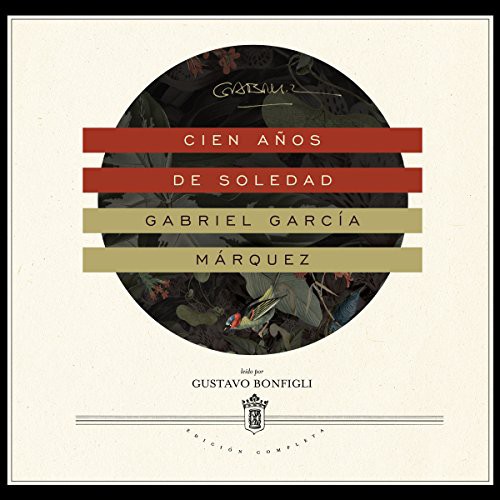
Gabriel García Márquez · 1967
Seven generations of Buendías in Macondo, where ascensions and massacres share one calm voice. The rare masterpiece that is also a planetary bestseller: it remade world literature's map and gave a continent its epic.
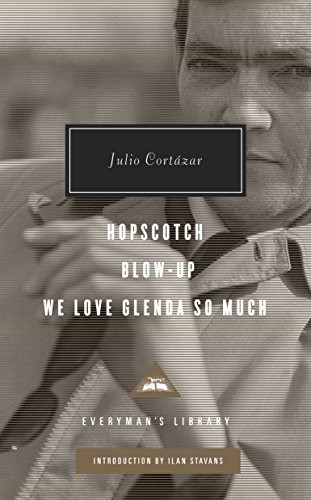
Julio Cortázar · 1963
Read it straight through, or follow the author's hopscotch table through 155 chapters, jazz-soaked Paris and Buenos Aires either way. The Boom's great playable novel: structure as invitation, not obstacle.
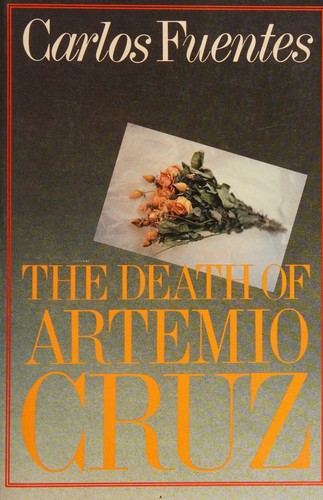
Carlos Fuentes · 1962
A dying oligarch remembers in first, second, and third person: the Mexican Revolution's betrayal conjugated across one deathbed. The Boom's technical manifesto and Mexico's great novel of power.
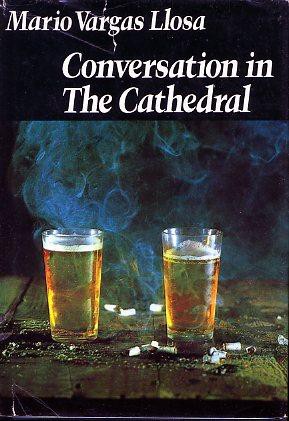
Mario Vargas Llosa · 1969
'At what precise moment had Peru screwed itself up?' Four hours in a bar unspool a dictatorship's whole anatomy through spliced conversations. The Boom's most demanding architecture, and its political summit.
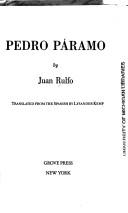
Juan Rulfo · 1955
A man travels to Comala looking for the father he never knew, and finds a town of whispers, murmurs, and inhabitants who feel more like memories than people. One slim novel that García Márquez knew by heart: magical realism's true headwater, and Mexico's most haunted masterpiece.
Authors of this movement
 1910–1976José Lezama LimaCubastart with Paradiso
 1914–1984Julio CortázarArgentina / Francestart with Blow-Up and Other Stories
 1917–1986Juan RulfoMexicostart with Pedro Páramo
 1917–2005Augusto Roa BastosParaguaystart with I, the Supreme
 1924–1996José DonosoChilestart with The Obscene Bird of Night
 1927–2014Gabriel García MárquezColombiastart with One Hundred Years of Solitude
 1928–2012Carlos FuentesMexicostart with The Death of Artemio Cruz
 1929–2005Guillermo Cabrera InfanteCubastart with Three Trapped Tigers
 1936–2025Mario Vargas LlosaPerustart with The Time of the Hero