
Modern Korean Fiction
Park Wan-suh, Hwang Sok-yong: division, war, and rapid modernization tested in fiction.
Modern Korean fiction was forged under occupation, civil war, and one of the fastest modernizations any society has undergone, and its novelists wrote as witnesses to all three. Park Wan-suh, who began writing at forty, turned the trauma of the Korean War and the hollowness of new wealth into unsparing, autobiographical fiction.
Hwang Sok-yong wrote division and labor with a documentary conscience honed by his own imprisonment; Yi Mun-yol examined authoritarian psychology through the lens of a schoolyard tyrant. Their generation built the realist foundation that Han Kang's more interior, allegorical fiction would later work against and extend.
How to spot it on the page
- War trauma and family separation recalled in unsparing, autobiographical detail
- Rapid postwar wealth exposed as hollow against still-fresh wartime memory
- Labor and national division documented with a reporter's firsthand conscience
- Authoritarian power modeled in miniature through a schoolyard or workplace tyrant
- Prose that stays plain and documentary even at moments of extremity
- A generation's political imprisonment or censorship shadowing the writer's own biography
What it left behind
This generation's documentary realism carried Korean fiction from occupation and war through the fastest modernization any society has undergone, and it never really stopped being the default mode, just got quieter. Han Kang's more interior, allegorical fiction reads as a direct answer to Park Wan-suh and Hwang Sok-yong's witness-realism, working against its documentary conscience while still trading on the same historical weight.
Defining works
For a guided order with notes, follow the reading path →
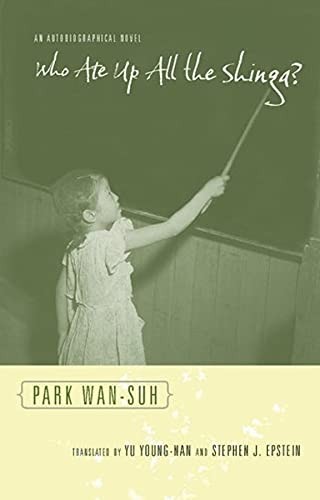
Park Wan-suh · 1992
Park recalls her own girlhood through the Korean War's devastation and the hollow promises of the wealth that followed. Modern Korea's essential autobiographical reckoning with a century of trauma.
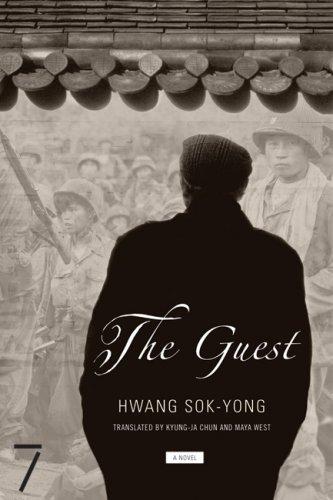
Hwang Sok-yong · 2001
A Korean-American reverend returns to his childhood village to confront a massacre both North and South Korea would rather forget. Written with the documentary conscience of a novelist who served years in prison for crossing the border himself.
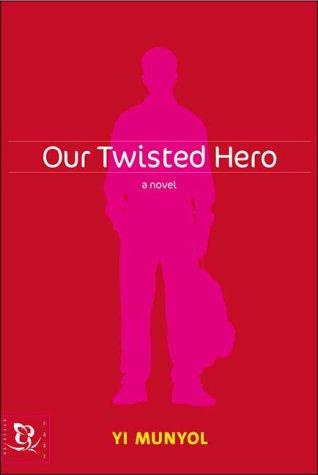
Yi Mun-yol · 1987
A rural classroom submits to a manipulative, tyrannical class monitor until a new student refuses to comply. A compact, widely taught allegory for dictatorship's seductions and the costs of complicity.


