
The New Japanese Voice
A cooler, stranger, more global Japanese fiction after the postwar masters.
After Kawabata and Mishima, a generation arrived with a different temperature: pop-cultural, deadpan, quietly surreal. Haruki Murakami spliced jazz bars and parallel worlds into a style so portable it conquered the globe in translation. Around him, a subtler current: Yoko Ogawa's fiction of quiet menace, where memory and cruelty operate with the calm of a fable.
What marks the new voice is estrangement without spectacle: the uncanny located in a kitchen, a mathematics tutorial, a disappearing island. Banana Yoshimoto found a whole readership in the grief and comfort of ordinary rooms. Japanese fiction became, improbably, one of the most exported literatures on earth, its loneliness legible everywhere.
How to spot it on the page
- The uncanny arriving in a wholly mundane setting: a kitchen, a well, a classroom
- Pop-culture references (jazz records, brand names, pasta) doing the work period detail once did
- Parallel or missing worlds entered without ceremony, and left just as quietly
- A flat, translatable prose style built for portability across languages
- Memory and cruelty treated with the same hushed, fable-like calm
- Loneliness as the default emotional weather, rarely named outright
What it left behind
Murakami's globally portable style did what Kawabata's more local precision never aimed to: it made contemporary Japanese fiction internationally fluent, and the market never stopped rewarding writers who could pair estrangement with instant translatability. Ogawa's quiet menace and Yoshimoto's ordinary-room comfort both prove the mode's durability: the uncanny domesticated, ready to travel into any language's bestseller list.
Defining works
For a guided order with notes, follow the reading path →
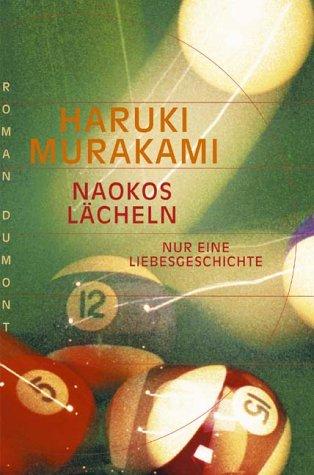
Haruki Murakami · 1987
Student Tokyo, 1969: two loves, one shadowed by suicide: Murakami with the surrealism turned off and the ache turned all the way up. It sold millions in Japan and made him famous enough to flee the country.
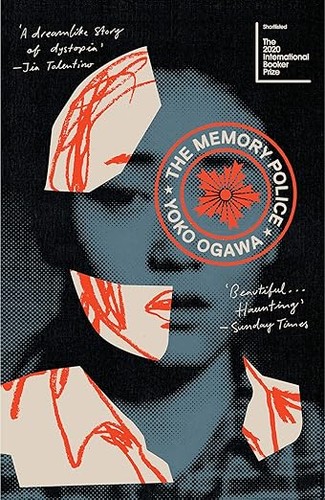
Yōko Ogawa · 1994
On an island where objects vanish by decree along with all memory of them, those who still remember are hunted. Ogawa turns loss into a soft, encroaching horror: a fable of authoritarianism, grief, and disappearance.
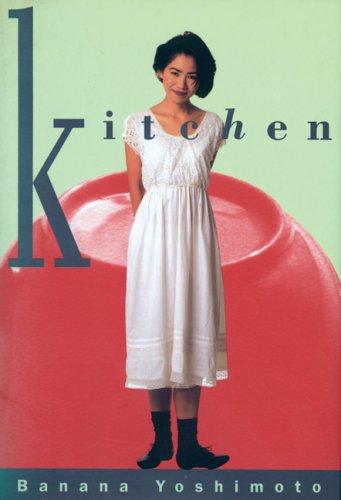
Banana Yoshimoto · 1988
A young woman finds solace in kitchens and a makeshift family after her grandmother's death. Yoshimoto's debut, a global phenomenon, made mourning and quiet healing legible to a whole generation.


