
After the Boom
A generation writes against magical realism's long shadow.
The Boom made Latin American fiction synonymous with the marvelous, and left its heirs with a problem: how to write once every village had its ghosts and its rain of flowers. The answer was to turn away from the mythic toward the pop, the political, the plainly real. Manuel Puig built novels from movie plots and gossip; Elena Poniatowska put the testimony of the poor at the center of literature.
José Donoso pushed the Boom's own machinery to a rotting, hallucinatory extreme, and later Roberto Bolaño broke the mold entirely, replacing magic with dread and the poet-detective. After the Boom, the continent's fiction grew more various and more skeptical: no less ambitious, but done arguing with the supernatural.
How to spot it on the page
- Pop culture (movie plots, radio scripts, gossip columns) supplying the novel's actual structure
- Testimony and reportage from the urban poor given equal narrative authority to fiction
- Magical realism's machinery pushed until it rots or curdles into horror
- Detective and noir plots imported to replace the mythic quest
- Political violence treated with dread and irony rather than folklore
- A skepticism toward myth stated as the book's own explicit argument
What it left behind
By breaking with the Boom's magic on purpose, this generation kept Latin American fiction from calcifying into self-parody. Puig and Poniatowska's turn to pop and testimony opened the door for the region's later documentary impulse; Bolaño took the skepticism furthest, and his poet-detectives and vanished writers are now the shadow every ambitious Latin American novelist since has had to write past or through.
Defining works
For a guided order with notes, follow the reading path →
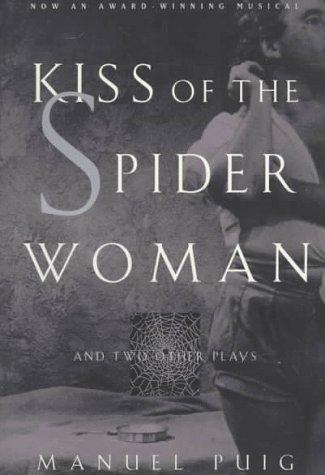
Manuel Puig · 1976
A gay window-dresser and a Marxist revolutionary share a cell, where retold movies become an act of love. Puig builds the whole novel from dialogue and footnotes: the Boom's myth traded for tenderness and kitsch.
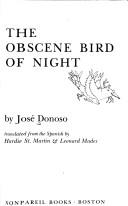
José Donoso · 1970
A mute servant in a decaying convent narrates a hallucinatory hall of masks, monsters, and shifting bodies. Donoso pushes the Boom's machinery toward nightmare: the Latin American novel at its most vertiginous.
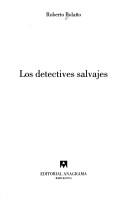
Roberto Bolaño · 1998
Two 'visceral realist' poets pursued across twenty years by fifty-odd witnesses' testimonies: the literary life as quest, farce, and elegy. The novel that made Bolaño a generation's password.
Authors of this movement
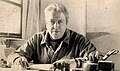 1928–1983Jorge IbargüengoitiaMexicostart with The Dead Girls
 1932–1990Manuel PuigArgentinastart with Kiss of the Spider Woman
 b. 1932Elena PoniatowskaMexicostart with Massacre in Mexico
 1933–2018Sergio PitolMexicostart with The Art of Flight
 1935–2018Fernando del PasoMexicostart with Palinuro of Mexico1943–1990Reinaldo ArenasCubastart with Hallucinations