
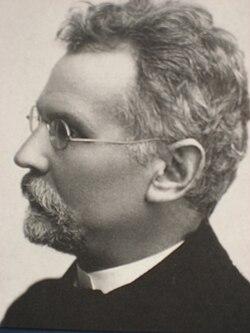
Bolesław Prus
Poland
Panoramic yet closely observed, moving fluidly between a whole city's economic machinery and one man's private obsession without ever losing the reader in either.
Born Aleksander Głowacki in Hrubieszów in 1847, Prus was orphaned as a child and, as a teenager, fought in the 1863 January Uprising against Russian rule, was wounded, and briefly imprisoned, an experience that turned him permanently away from romantic insurrection and toward the pragmatic reform politics of Polish Positivism.
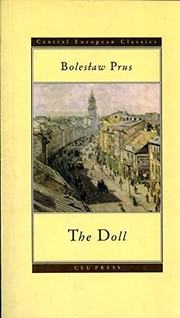
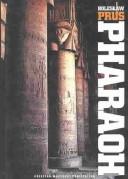
He studied at Warsaw's Main School and spent decades afterward as a journalist, writing widely read weekly newspaper chronicles under the pen name Bolesław Prus while producing his novels on the side, among them The Doll, a panorama of Warsaw's shifting classes routinely named Poland's greatest novel, and the historical epic Pharaoh.
Severe agoraphobia and anxiety disorders shadowed much of his adult life, keeping him tethered to familiar streets and routines. He died in Warsaw in 1912, remembered as a central figure of Polish Positivism's belief in patient social and economic work over armed struggle.
Their books in the atlas
Meanwhile, elsewhere
 1840–1928Thomas HardyEnglandWestern Europe · England
 1847–1912Bram StokerIrelandWestern Europe · Ireland
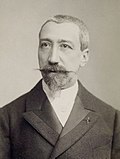 1844–1924Anatole FranceFranceWestern Europe · France
 1840–1922Giovanni VergaItalyWestern Europe · Italy
 1843–1920Benito Pérez GaldósSpainWestern Europe · Spain
 1830–1914Paul HeyseGermanyWestern Europe · Germany
If you like Prus, try
 1846–1916Henryk SienkiewiczPolandkindred genres: historical fiction, romance · both write in Polish · same region & era
 1838–1894Bankim Chandra ChattopadhyayIndia (Bengal)kindred genres: historical fiction, political novel
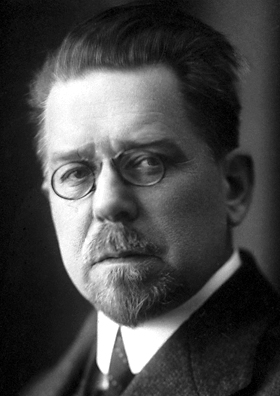 1867–1925Władysław ReymontPolandboth write in Polish · same region & era
 1892–1975Ivo AndrićYugoslavia / Bosniakindred genres: historical fiction, political novel · same region & era
 1818–1883Ivan TurgenevRussiakindred genres: political novel, psychological novel · same region & era
 1905–1964Vasily GrossmanUkraine / Russiakindred genres: historical fiction, political novel · same region & era